The English Yew (Taxus baccata) is one of Europe’s oldest and most revered trees. Known for its dark green needles, reddish-brown bark, and bright red berry-like arils, it can live for hundreds or even thousands of years. Many ancient yews still stand in churchyards and historic landscapes across Britain and Europe, where they have become symbols of endurance, wisdom, and the passage of time. Although the fleshy red arils are edible when the seed is removed, nearly every other part of the tree is highly poisonous and should never be consumed.
In pagan traditions, the English Yew has long been associated with death, rebirth, and immortality. Because it can regenerate from old wood and survive for remarkable lengths of time, many ancient cultures viewed it as a bridge between the worlds of the living and the dead. The tree was often planted near burial sites and sacred places, reinforcing its role as a guardian of souls and a symbol of life’s endless cycle. In Celtic spirituality, the yew represented eternal life, resilience, and spiritual transformation.
Within modern witchcraft and many forms of contemporary paganism, the English Yew is respected as a powerful magical tree. Practitioners often associate it with ancestor work, divination, protection, and deep spiritual wisdom. Its energy is believed to encourage inner reflection, personal growth, and the release of old habits that no longer serve a purpose. The yew is sometimes honoured during rituals focused on endings, transitions, or connecting with ancestral spirits.
Because the tree is extremely toxic, modern practitioners generally avoid using its leaves, bark, or wood in herbal preparations or incense. Instead, they work with the yew symbolically through meditation, artwork, photography, or by spending quiet time near a living tree. Fallen twigs or naturally shed pieces may be respectfully collected where permitted and used as symbolic altar items rather than burned or handled carelessly.
Today, the English Yew remains a powerful emblem of mystery, endurance, and transformation. Its ancient presence continues to inspire those who follow pagan and magical paths, reminding them that every ending holds the promise of a new beginning and that wisdom often grows through patience, change, and respect for nature’s enduring cycles.
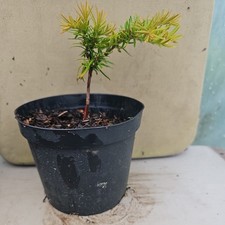


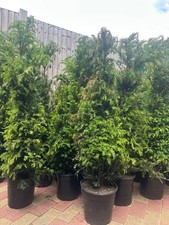


![[x5] YEW HEDGING | TAXUS BACCATA | EVERGREEN | BUSHY](https://i.ebayimg.com/images/g/S-cAAOSw7bFm7So9/s-l225.jpg)