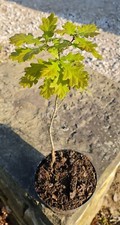
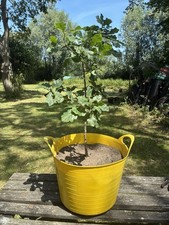
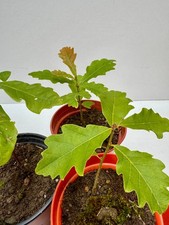
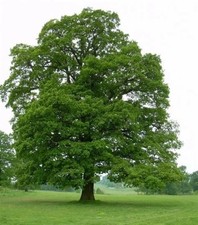
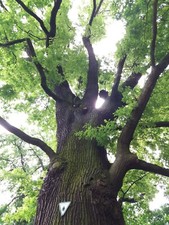
The English Oak (Quercus robur) is one of Britain’s most well-known and respected native trees. It can live for hundreds of years, with some ancient specimens surviving for over a thousand years. Growing up to 40 metres tall, the English Oak has a broad canopy, deeply ridged bark, and distinctive lobed leaves. In autumn, it produces acorns, which provide an important food source for wildlife such as squirrels, jays, deer, and many insects. Because it supports hundreds of different species, the English Oak is considered one of the most valuable trees for biodiversity in the British countryside.
Throughout history, the English Oak has symbolised strength, endurance, wisdom, and protection. Its durable timber has been used for building homes, ships, furniture, and churches for centuries. Many historic events and legends feature ancient oak trees as gathering places, landmarks, or symbols of resilience.
In pagan traditions, particularly those inspired by ancient Celtic beliefs, the oak is regarded as a sacred tree. It was closely associated with the Druids, who are believed to have held ceremonies in oak groves. The tree represented the power of the sky, endurance, and the connection between the earthly and spiritual worlds. Its impressive size and long lifespan made it a natural symbol of stability and divine strength.
In modern witchcraft and Wiccan practice, the English Oak is often used in spells and rituals focused on protection, courage, prosperity, and personal growth. Oak wood, leaves, and acorns may be placed on altars or carried as charms to attract good fortune and resilience. Acorns are especially seen as symbols of potential, reminding practitioners that great strength can grow from small beginnings. Many also believe that spending time beneath an old oak encourages grounding, inner wisdom, and a deeper connection with nature.
Today, the English Oak remains a powerful symbol in both nature and spiritual practice. Whether admired for its ecological importance or honoured for its place in folklore and pagan traditions, this magnificent tree continues to inspire respect, reminding us of the enduring relationship between the natural world, history, and human spirituality.