Devil’s Shoestring is the common name for the fibrous roots of several plants in the Viburnum family, most commonly Viburnum alnifolium (also known as hobblebush). The long, tough roots resemble old-fashioned bootlaces or shoestrings, giving the plant its unusual name. According to folklore, the roots were believed to be so strong that they could “trip up the Devil,” preventing evil forces from causing harm.
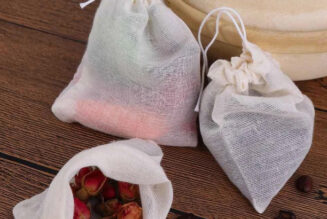
In American folk magic, particularly Hoodoo and Appalachian folk traditions, Devil’s Shoestring has long been prized as a protective and luck-bringing botanical. The dried roots are often carried in a pouch or mojo bag to ward off bad luck, repel harmful intentions, and provide spiritual protection. Some practitioners place pieces of the root near doors and windows to keep negative energy from entering the home, while others use it in spells intended to remove obstacles or attract prosperity.
Although Hoodoo is a distinct African American folk magic tradition rather than a form of paganism, many modern pagans and witches have adopted Devil’s Shoestring into their own magical practices. Within contemporary witchcraft, it is commonly associated with protection, banishing negativity, breaking curses, and strengthening personal boundaries. It may be incorporated into spell jars, charm bags, ritual candles, or protective altars. Some practitioners also use the root during cleansing rituals to symbolically cut ties with harmful influences or to overcome challenges.
Spiritually, Devil’s Shoestring is often connected with resilience, perseverance, and the ability to stand firm against adversity. Its tangled, durable roots serve as a reminder of inner strength and the importance of remaining grounded during difficult times. While there is no historical evidence that the plant possesses supernatural powers, its enduring place in magical traditions reflects the symbolic meaning people have attached to it for generations.
Today, Devil’s Shoestring remains a popular ingredient in modern magical practice, valued more for its rich folklore and symbolic associations than for any scientifically proven mystical properties. Whether used as a protective charm or appreciated as part of the history of folk magic, it continues to hold a respected place in the traditions of many practitioners.