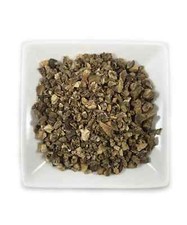
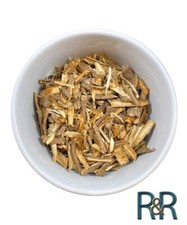
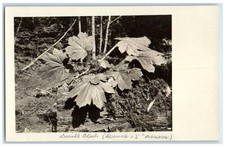
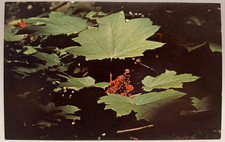
Devil’s Club (Oplopanax horridus) is a striking medicinal shrub native to the damp forests of the Pacific Northwest, including parts of Alaska, western Canada, and the northwestern United States. It is easily recognized by its large maple-like leaves, thick stems covered in sharp yellow spines, and clusters of bright red berries. Despite its intimidating appearance and dramatic name, Devil’s Club has been valued for centuries by Indigenous peoples, who have traditionally used it for medicine, spiritual protection, and ceremonial purposes.
The plant earned its common name because of its fierce thorns, which make it difficult to approach or handle. However, many Native communities regard Devil’s Club as a sacred plant rather than an evil one. Its roots and bark have been used to prepare remedies for colds, arthritis, digestive complaints, and other ailments. It has also played an important role in purification rituals and spiritual practices, where it is believed to provide protection and strength.
In modern paganism and witchcraft, Devil’s Club is often associated with protection, warding, resilience, and personal empowerment. Many practitioners believe its thorn-covered stems symbolize strong spiritual boundaries, making it a popular ingredient in spells designed to repel negativity, banish harmful influences, or protect homes and sacred spaces. Pieces of the plant may be placed on altars, carried as protective talismans, or used in ritual work focused on courage and overcoming obstacles.
Because Devil’s Club is considered sacred by many Indigenous cultures, ethical practitioners encourage treating the plant with respect. Wild populations should never be overharvested, and anyone wishing to work with it should ensure it has been obtained sustainably and legally. Learning about its cultural significance helps promote appreciation rather than appropriation.
Although Devil’s Club has a respected place in folk magic and spiritual traditions, there is no scientific evidence that it possesses supernatural powers. Its importance in paganism and witchcraft lies in its symbolic meaning and the personal beliefs of practitioners. Whether admired for its medicinal history, protective symbolism, or remarkable appearance, Devil’s Club remains one of the most fascinating plants associated with both nature and spiritual practice.