We would like to disclose that this website may contain affiliate links. This means that if you click on a product link and make a purchase, we may earn a commission. As an Amazon & eBay Partner Network Associate, we earn from qualifying purchases.
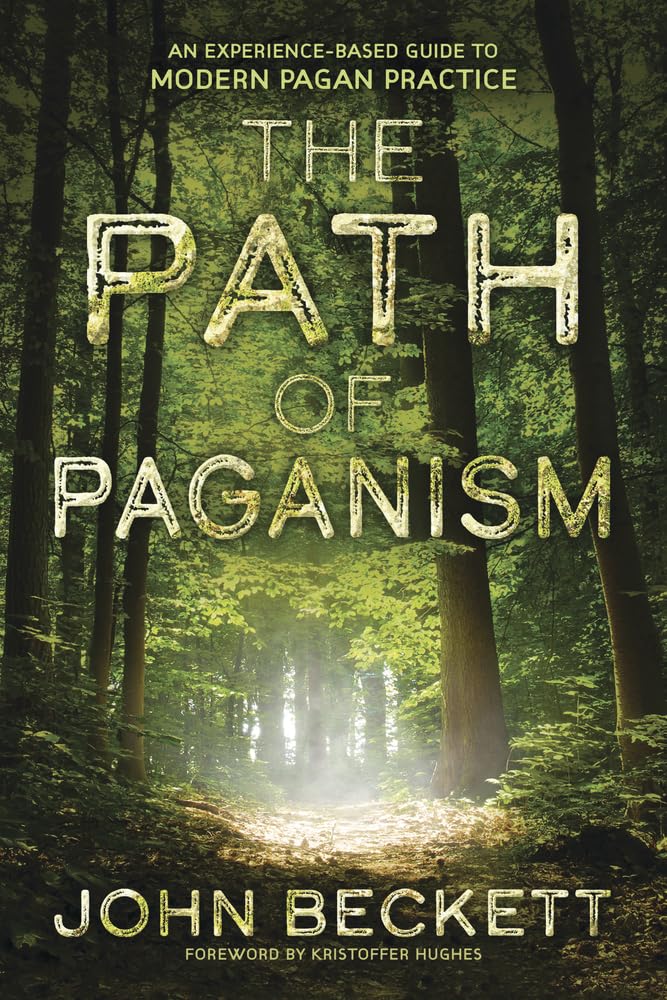
The Path of Paganism offers practical guidance for living as a Pagan in modern Western society. This path is followed by witches, druids, polytheists, animists, and many others who seek meaningful spiritual traditions rooted in both ancient wisdom and contemporary experience. For John Beckett and countless practitioners, Paganism is not simply about collecting books, tools, or celebrating holidays. Rather, it is a holistic way of understanding the world—one that honors the sacredness of nature, the cycles of the seasons, and the intricate connections between all living things. Paganism encourages individuals to see the divine in the everyday, to recognize the presence of spirit in the land, the sky, and the waters, and to cultivate a sense of reverence for the mysteries of existence.
Many Pagan practices begin with simple daily rituals that help to anchor practitioners in the present moment and foster a sense of spiritual connection. These rituals can include lighting a candle at sunrise to welcome the new day, expressing gratitude for the gifts of life, or meditating in a peaceful place such as a garden, park, or even a quiet room. Some practitioners keep journals to record dreams, insights, and magical experiences, using these writings as a tool for self-reflection and spiritual growth. Others create altars with objects like stones, feathers, seasonal flowers, or personal mementos to help focus their intentions and honor the energies they wish to invite into their lives. Repeating these small actions over time helps practitioners feel grounded, centered, and connected to the divine, regardless of their external circumstances. For example, a daily practice might involve drawing a tarot card for guidance, reciting a short prayer, or simply spending a few moments in mindful silence. Over weeks and months, these habits can become a source of comfort and strength, providing a steady foundation for deeper spiritual work.
Living as a Pagan can sometimes be challenging, especially in communities where alternative spiritual paths are not widely understood or accepted. Practitioners may need to answer questions from family, friends, or colleagues, and it is important to approach these conversations with patience, clarity, and respect. Explaining one’s beliefs in simple, non-confrontational terms can help to dispel misconceptions and foster understanding. For instance, one might describe Paganism as a nature-based spirituality that values harmony, respect, and personal responsibility. Finding or building a supportive community, either in person or online, can offer encouragement, inspiration, and a sense of belonging. Many Pagans join local groups, attend public rituals, or participate in online forums where they can share experiences, ask questions, and learn from others. These communities often provide opportunities for group celebrations, workshops, and collaborative projects, helping practitioners to feel less isolated and more empowered in their spiritual journey.
The benefits of following Pagan traditions are often deeply personal and meaningful. Many people experience a renewed appreciation for nature, a deeper awareness of life’s rhythms, and a strong sense of purpose and belonging. Celebrating the solstices, equinoxes, and lunar cycles can bring a feeling of continuity and meaning, connecting individuals to the ancient patterns of the earth and sky. Honoring gods, ancestors, or spirits helps to build a relationship with the unseen aspects of life, fostering a sense of humility and gratitude. For example, some Pagans leave offerings of food, flowers, or water at sacred sites or home altars as a gesture of respect and reciprocity. Others participate in seasonal festivals, such as Beltane or Samhain, which mark important transitions in the natural world and in the human experience. These celebrations often include music, dance, storytelling, and communal feasting, reinforcing the bonds between participants and the wider community.
Developing a personal spiritual foundation involves both learning and experience. Reading books, attending rituals, and trying different practices can help individuals discover what feels most authentic and meaningful to them. Over time, practitioners learn to question mainstream beliefs, keeping those that are helpful and letting go of those that are not. This ongoing process encourages growth, self-reflection, and a deeper understanding of the universe, the divine, oneself, and the community. For instance, someone might explore different paths within Paganism—such as Wicca, Druidry, Heathenry, or eclectic witchcraft—before settling on the practices and philosophies that resonate most strongly. Experimenting with various forms of meditation, divination, or spellwork can also reveal new insights and abilities. It is common for practitioners to adapt rituals and traditions to suit their own needs, blending elements from different sources or creating entirely new forms of expression. This flexibility allows Paganism to remain vibrant and relevant in a rapidly changing world.
In the end, living as a Pagan means embracing both the mysteries and the practical aspects of the path. It is about finding beauty in everyday life, honoring the sacred in all things, and continually working to strengthen your connection with the world around you. This might involve tending a garden, volunteering for environmental causes, or simply taking time to appreciate the changing seasons. Paganism invites individuals to live with intention, to act with kindness and integrity, and to seek wisdom from both ancient traditions and personal experience. By weaving spiritual practice into daily life, practitioners can cultivate resilience, joy, and a sense of wonder that enriches every aspect of their journey. Whether one is just beginning or has walked this path for many years, the journey of Paganism offers endless opportunities for discovery, transformation, and connection.