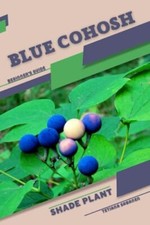
Cohosh is a perennial woodland plant most commonly known in two varieties: black cohosh (Actaea racemosa) and blue cohosh (Caulophyllum thalictroides). Native to North America, these plants have long been valued for their medicinal and spiritual properties. Indigenous peoples traditionally used cohosh for a variety of healing purposes, particularly those connected to women’s health, and its reputation as a powerful herb carried over into many modern Pagan and witchcraft traditions.
In contemporary Paganism and folk magic, black cohosh is often associated with protection, courage, and the strengthening of personal resolve. Practitioners may carry the root as a talisman to ward off negative influences or place it near doorways to create a protective barrier around the home. Its deep connection to the earth and its resilient growth in shaded forests have led many witches to view it as a symbol of endurance and hidden strength.
Blue cohosh, while less commonly used in magical practices, is often linked to feminine mysteries, transformation, and rites of passage. Because of its historical association with childbirth and women’s health, it is frequently included in rituals that honor fertility, motherhood, and the cycles of life. Some practitioners use blue cohosh in ceremonies dedicated to goddesses associated with creation, wisdom, and renewal.
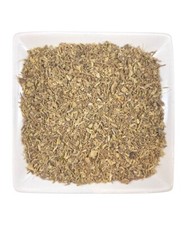
Within modern witchcraft, cohosh is sometimes incorporated into spell work involving protection, empowerment, and spiritual grounding. The dried root may be placed on an altar, carried in charm bags, or added to ritual tools. Many magical traditions consider cohosh particularly effective when working to break harmful patterns, strengthen boundaries, or encourage personal growth during times of change.
As with many sacred herbs, cohosh is approached with respect. While its folklore and magical uses remain popular, practitioners are encouraged to research its medicinal properties carefully, as some varieties can have significant physiological effects.
Today, cohosh remains a respected plant in Pagan and witchcraft communities, valued not only for its historical significance but also for its enduring symbolism of protection, transformation, and inner strength.