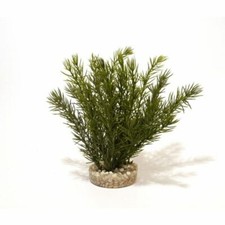
Club Moss (Lycopodium spp.) is an ancient and fascinating plant that has existed on Earth for more than 300 million years. Despite its name, it is not a true moss but belongs to a group of primitive vascular plants related to ferns. Found in woodlands, heathlands, and damp forests, Club Moss is recognized by its creeping stems and evergreen, scale-like leaves. Its long history and unique appearance have made it a plant of both botanical interest and magical significance.
In pagan traditions, Club Moss is often associated with longevity, resilience, and the wisdom of the natural world. Because it is one of the oldest surviving plant lineages, many practitioners view it as a symbol of ancestral knowledge and the enduring cycles of life, death, and rebirth. Its evergreen nature further connects it with themes of immortality, protection, and continuity.
One of the most remarkable features of Club Moss is its fine yellow spores, sometimes called “vegetable sulphur.” Historically, these spores were used in theatrical effects and early photography because they ignite quickly when exposed to flame. In folk magic and witchcraft, this fiery property linked the plant to transformation, energy, and manifestation. The spores were occasionally used in rituals designed to strengthen intentions, empower spells, or mark sacred spaces.
Within modern witchcraft, Club Moss is often included in protective charms, nature altars, and woodland magic. Practitioners may carry a small piece of the plant as a talisman to encourage perseverance during difficult times. It is also used in meditation and ancestral work, helping individuals connect with ancient wisdom and the deep history of the Earth.
Many pagans emphasize ethical foraging when working with Club Moss. Several species are protected in parts of Europe and North America due to habitat loss and slow growth rates. As a result, responsible practitioners prefer to cultivate the plant themselves or obtain it from sustainable sources.
Today, Club Moss remains a respected plant ally within pagan and magical traditions. Its ancient lineage, protective associations, and connection to transformation continue to inspire witches and nature-based spiritual practitioners who seek a deeper relationship with the natural world.