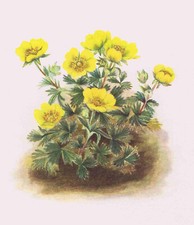
The Cinquefoil Rose, often known simply as Cinquefoil (Potentilla species), is a small flowering plant revered in folk magic, pagan traditions, and witchcraft for centuries. Its name derives from the French cinq feuilles, meaning “five leaves,” referring to the plant’s characteristic five-part leaf structure. This sacred number has long been associated with balance, protection, and the natural elements, making Cinquefoil a powerful magical herb.
In many pagan traditions, the number five symbolizes the four classical elements—Earth, Air, Fire, and Water—united by Spirit. Because of this connection, Cinquefoil is often used in rituals that seek harmony, protection, and spiritual empowerment. The plant’s five-petaled flowers further reinforce its symbolic association with sacred geometry and the interconnectedness of nature.
Throughout European folk magic, Cinquefoil was considered a potent protective herb. Practitioners carried dried leaves in charm bags or amulets to attract prosperity, wisdom, and good fortune. It was also believed to ward off negative energies, curses, and harmful spirits. In some traditions, Cinquefoil was placed near doorways or hung within the home to create a magical barrier against ill intent.
Witches have long incorporated Cinquefoil into spellwork involving success, confidence, and manifestation. The herb is often added to incense blends, ritual oils, and sachets designed to strengthen personal power and encourage positive outcomes. Some practitioners brew it as a magical tea for meditation and divination, although care should always be taken to ensure proper identification and safe use of any plant.
Cinquefoil is also linked to the divine feminine and nature spirits. Its delicate yellow flowers and resilient growth habit symbolize endurance, abundance, and the quiet strength found within the natural world. Many modern pagans use the plant in seasonal celebrations, particularly those honouring growth, fertility, and the turning of the Wheel of the Year.
Today, the Cinquefoil Rose remains a cherished ally in contemporary witchcraft, valued not only for its magical correspondences but also as a reminder of the enduring relationship between humanity and the sacred power of plants.