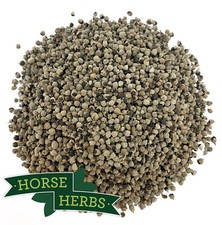
The Chaste Tree (Vitex agnus-castus), also known as Chasteberry or Monk’s Pepper, is a fragrant shrub native to the Mediterranean region. Recognized by its spikes of purple-blue flowers and aromatic leaves, the plant has been valued for centuries in both herbal medicine and spiritual traditions. While it is perhaps best known for its historical use in supporting hormonal balance, the Chaste Tree also holds a respected place within Pagan and witchcraft practices.
In ancient times, the Chaste Tree was associated with purity, self-discipline, and sacred devotion. During Greek festivals honoring women and fertility goddesses, branches of the tree were used to decorate sacred spaces and were sometimes woven into bedding during religious celebrations. Its connection to feminine mysteries and reproductive cycles made it a natural symbol of balance, protection, and spiritual sovereignty.
Within modern Paganism, the Chaste Tree is often linked to lunar energies and the divine feminine. Practitioners may use its leaves, flowers, or berries in rituals focused on healing, self-reflection, and personal empowerment. Because of its long-standing association with moderation and self-control, it is frequently incorporated into workings designed to strengthen willpower, break unhealthy habits, or support spiritual discipline.
In witchcraft traditions, Chaste Tree correspondences commonly include the elements of Water and Earth, reflecting both emotional wisdom and grounded stability. The plant is sometimes used in sachets, incense blends, and altar decorations to encourage inner peace and mental clarity. Some witches also employ it in protective magic, believing its energy helps create healthy boundaries and wards against negative influences.
The Chaste Tree’s purple blossoms further connect it to intuition, psychic awareness, and higher spiritual understanding. As a result, it may appear in meditation rituals, dream work, and moon ceremonies. Its gentle yet resilient nature serves as a reminder that strength can be expressed through patience, wisdom, and self-mastery rather than force.
Today, the Chaste Tree remains a cherished plant among many Pagans and witches, valued not only for its practical herbal properties but also for its rich symbolism of balance, protection, feminine power, and spiritual growth.