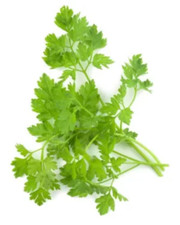
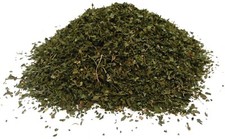
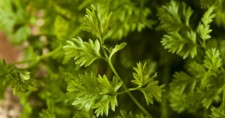
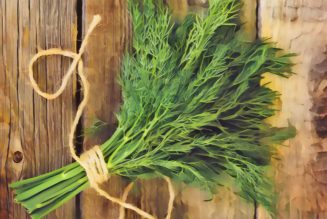
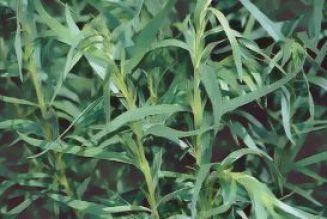
Chervil (Anthriscus cerefolium) is a delicate herb from the parsley family, known for its feathery green leaves and mild flavor that resembles anise or licorice. While it is most often associated with French cuisine, where it is used in soups, salads, and sauces, chervil also has a lesser-known but fascinating place in folklore and witchcraft traditions. Throughout history, herbs were valued not only for their culinary and medicinal uses but also for their spiritual and magical properties, and chervil was no exception.
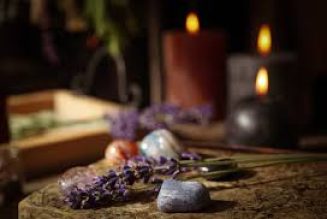
In traditional folk magic, chervil was connected to purification, renewal, and protection. Because of its fresh scent and vibrant appearance, it was believed to cleanse negative energy and bring clarity to the mind. Practitioners of herbal magic sometimes carried sprigs of chervil in small sachets or charms to encourage focus and wisdom during rituals or divination practices. It was thought to sharpen intuition and support calm thinking, making it useful in spells related to study, decision-making, and communication.
Chervil was also linked with springtime energy and growth. In many European traditions, herbs that flourished in spring symbolized rebirth and fresh beginnings. Chervil’s tender leaves represented youth, vitality, and the awakening of nature after winter. Some witches and herbalists included it in seasonal rituals celebrating fertility, abundance, and personal transformation. Burned as incense or added to ritual baths, it was believed to wash away emotional burdens and prepare a person for new opportunities.
Medicinally, chervil was once used in herbal remedies to aid digestion and improve circulation, and these healing associations carried over into magical beliefs. Healing herbs were often seen as spiritually protective as well, creating a bridge between physical wellness and mystical practice.
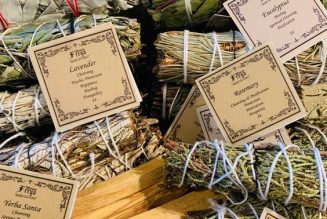
Today, modern practitioners of witchcraft and herbal spirituality continue to explore chervil’s symbolic meanings. Though not as famous as sage, rosemary, or lavender, chervil remains appreciated for its gentle energy, associations with clarity and renewal, and connection to the natural cycles of growth and healing.