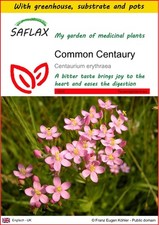
Centaury is a delicate flowering herb that has long held a place in folklore, herbal medicine, and magical traditions. Belonging to the gentian family, the plant is recognized by its small pink or reddish star-shaped flowers and its bitter taste. Throughout history, centaury was valued not only for its healing properties but also for the mystical associations attached to it in European folk magic and witchcraft.
The name “centaury” is often linked to the centaur Chiron of Greek mythology, a wise healer skilled in herbs and medicine. According to legend, Chiron used centaury to treat wounds, giving the plant a reputation for restoration and magical healing. Because of this connection, witches and herbal practitioners viewed centaury as a sacred herb of wisdom, protection, and physical recovery.
In traditional witchcraft, centaury was commonly used in charms and potions intended to strengthen the spirit and ward off harmful influences. Its bitter nature symbolized purification, making it useful in rituals designed to cleanse negative energy or break curses. Some practitioners carried dried centaury in small sachets to protect against malicious magic or ill fortune. Others burned the herb as incense during rites focused on spiritual clarity and healing.
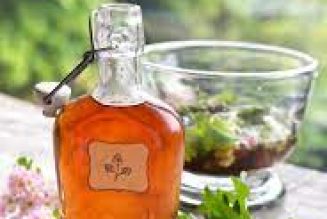
Centaury also appeared in folk remedies tied to magical beliefs. In medieval Europe, herbalists prescribed it for digestive troubles and fevers, while cunning folk believed the plant could restore vitality weakened by evil spirits or enchantments. The blending of medicine and magic was common during this period, and centaury stood as an example of a plant respected in both worlds.
Today, modern practitioners of witchcraft and pagan spirituality continue to value centaury for its symbolic connection to healing and resilience. While scientific herbalism now explains many of the plant’s medicinal qualities, its magical reputation endures. Centaury remains a reminder of humanity’s long-standing belief that plants possess both physical and spiritual power, bridging the natural and mystical realms in the practice of witchcraft.