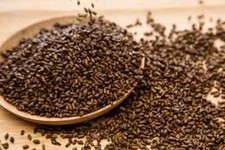
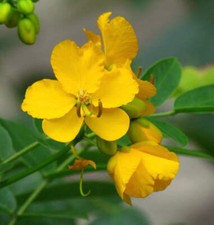
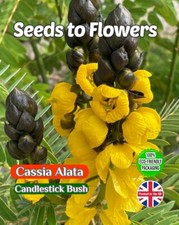
Cassia is a fragrant plant belonging to the same botanical family as cinnamon and is best known for its warm, spicy bark and sweet aroma. Native to parts of Asia, especially China and Southeast Asia, cassia has long been valued in cooking, medicine, and spiritual traditions. While often confused with true cinnamon, cassia has a stronger flavor and has held its own unique place in folklore and magical practice throughout history.
In witchcraft and folk magic, cassia is associated with prosperity, protection, passion, and spiritual power. Its fiery scent and warming qualities make it a favored ingredient in rituals connected to energy, success, and attraction. Practitioners commonly burn cassia as incense, blend it into oils, or add it to charm bags and spell jars intended to draw wealth and confidence. Because of its connection to fire and the sun, cassia is often linked with vitality, courage, and personal strength.
Historically, cassia appeared in ancient Egyptian incense blends and sacred oils. It was also mentioned in biblical texts as part of holy anointing mixtures, giving the plant an aura of sacredness and purification. In magical traditions, it became known as a plant that could strengthen intentions and increase the power of spells. Some witches scatter powdered cassia near doorways to ward off negativity, while others use it during meditation to heighten spiritual awareness.
Cassia is also tied to love magic due to its sweet scent and stimulating properties. It is believed to inspire desire, deepen emotional warmth, and attract affection. When combined with herbs such as rose or clove, cassia is thought to amplify romantic energy and emotional connection.
Today, modern practitioners of witchcraft continue to use cassia in candles, incense, oils, and herbal blends. Whether for protection, prosperity, or passion, the plant remains an important symbol of warmth, transformation, and magical energy. Its rich history and powerful fragrance ensure cassia’s enduring place in both herbal lore and spiritual practice.