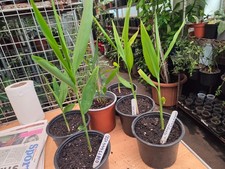
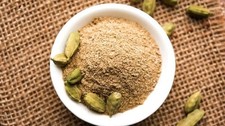
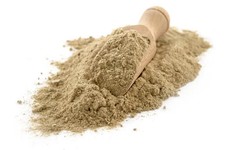
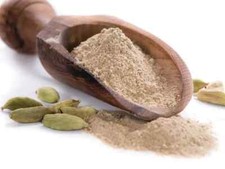
Cardamom is a fragrant spice derived from the seeds of plants in the ginger family, primarily native to India and parts of Southeast Asia. Known for its sweet, spicy aroma and warm flavor, cardamom has been valued for centuries in cooking, medicine, and spiritual traditions. Ancient traders once referred to it as the “Queen of Spices” because of its rarity and powerful scent. Beyond its culinary uses, cardamom has also held an important place in magical and mystical practices across cultures.
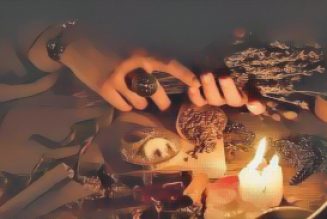
In witchcraft and folk magic, cardamom is often associated with love, passion, protection, and mental clarity. Practitioners believe its warm energy can attract affection and deepen emotional connections. Because of this, cardamom is commonly included in love spells, charm bags, and ritual oils designed to inspire romance or strengthen relationships. Some traditions suggest sprinkling crushed cardamom near candles during love rituals to encourage harmony and attraction.
Cardamom is also linked to the element of fire due to its warming qualities. In magical practices, fire herbs are believed to increase courage, motivation, and personal strength. Witches and spiritual practitioners may burn cardamom as incense or add it to herbal blends during rituals focused on confidence, creativity, or success. Its pleasant scent is thought to raise spiritual vibrations and create a calming atmosphere for meditation and spellwork.
Protection magic is another area where cardamom is valued. In some folk traditions, people carried cardamom pods in pouches or pockets to ward off negativity and attract good fortune. Others brewed it into teas used during cleansing rituals meant to remove emotional or spiritual burdens.
Today, modern witches continue to use cardamom in candles, bath rituals, teas, and incense. While beliefs and methods vary between traditions, cardamom remains a symbol of warmth, attraction, and spiritual comfort. Its rich history shows how a simple spice can bridge the worlds of nature, culture, and magical practice, making it one of the most treasured herbs in witchcraft traditions around the world.