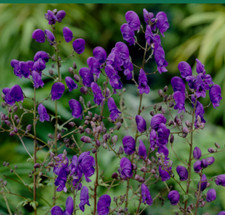
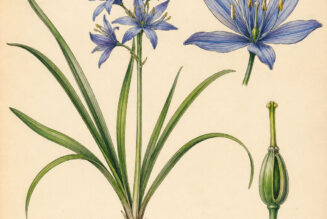
Aconite, also known as wolfsbane or monkshood, is one of the most mysterious and feared plants in history. Recognized by its deep purple-blue flowers and hood-shaped petals, aconite has long been associated with poison, magic, and the supernatural. Native to mountainous regions of Europe and Asia, the plant contains powerful toxic alkaloids that can cause paralysis or death if consumed. Because of its deadly nature, aconite became deeply connected with folklore and witchcraft traditions throughout the centuries.
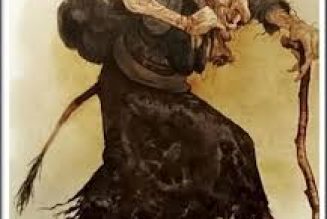
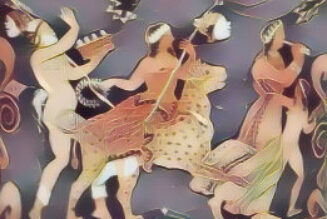
In ancient mythology, aconite was believed to have originated from the saliva of Cerberus, the three-headed dog of the Underworld in Greek legend. This connection to death and the spirit realm gave the plant a dark reputation that continued into medieval Europe. Witches and herbalists were said to use aconite in potions, flying ointments, and protective charms. Although many stories were exaggerated by fear and superstition, the plant became a symbol of hidden knowledge and dangerous power.
Aconite also played a role in protection magic. In some traditions, small amounts of the plant were carried to ward off werewolves, vampires, and evil spirits. The name “wolfsbane” comes from its historical use as a poison placed on arrows or bait to kill wolves. Despite its lethal qualities, some practitioners believed the plant could shield a person from spiritual harm when handled carefully and respectfully.
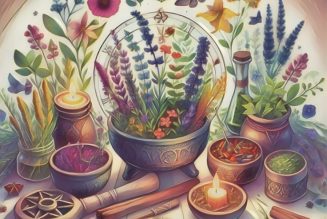
Modern witchcraft and pagan practices usually treat aconite as a symbolic herb rather than one for physical use. Due to its extreme toxicity, experienced herbalists strongly warn against ingesting or directly handling the plant without proper knowledge. Instead, it is often used in artwork, folklore studies, or ritual symbolism connected to transformation, shadow work, and the mysteries of life and death.
Today, aconite remains one of the most legendary plants in occult history. Its beauty, danger, and mythical associations continue to fascinate those interested in herbal lore and magical traditions. The plant stands as a reminder that nature can be both enchanting and deadly at the same time.