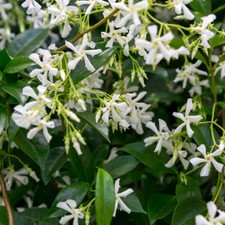
Jasmine is one of the most beloved flowering plants in the world, admired for its delicate white blossoms and rich, sweet fragrance. Native to tropical and subtropical regions of Asia, Africa, and Europe, jasmine has long been associated with beauty, love, purity, and spiritual mystery. Beyond its use in perfumes, teas, and gardens, jasmine also holds an important place in folklore and witchcraft traditions.
In magical practices, jasmine is often connected to the moon and feminine energy. Many witches and spiritual practitioners believe the plant carries calming and intuitive properties that help strengthen psychic awareness, dreams, and emotional healing. Because its flowers open most strongly at night, jasmine became linked with lunar magic and nighttime rituals. It is commonly used in spells involving love, peace, prophetic dreams, and spiritual connection.
Historically, jasmine was used in various cultures as a sacred or magical herb. In some Middle Eastern and Indian traditions, the flower symbolized divine love and spiritual awakening. European folk magic later adopted jasmine into herbal spellwork and charms. Dried jasmine flowers were sometimes placed in sachets or carried as talismans to attract affection, prosperity, and good fortune.
In modern witchcraft, jasmine may be burned as incense, added to ritual baths, brewed into teas, or placed on altars during ceremonies. Practitioners often use jasmine oil in candle magic and meditation because its scent is believed to calm the mind and encourage deeper spiritual focus. Some traditions also claim jasmine strengthens relationships and increases self-confidence, making it popular in attraction and self-love rituals.
Despite its mystical reputation, jasmine is ultimately a plant deeply tied to human emotion and symbolism. Its soft fragrance and nighttime blooming naturally inspire feelings of mystery and romance. Whether viewed through a spiritual lens or appreciated simply for its beauty, jasmine continues to hold a unique place in magical traditions around the world.
Today, the flower remains a symbol of enchantment, reminding many people of the close relationship between nature, spirituality, and imagination that lies at the heart of witchcraft practices.