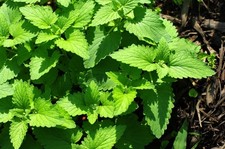
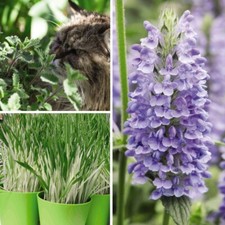
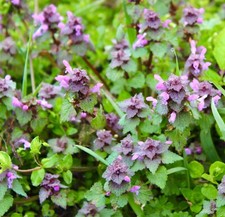
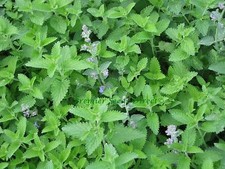
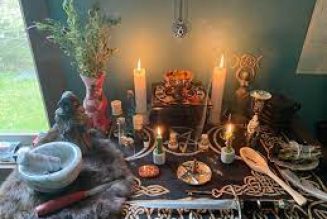
The Nepeta plant, more commonly known as catnip or catmint, belongs to the mint family (Lamiaceae) and has been valued for centuries in herbal medicine, folklore, and magical traditions. Native to Europe, Asia, and parts of Africa, Nepeta is recognized by its soft green leaves, delicate purple or white flowers, and fragrant aroma. While many people associate catnip with playful reactions in cats, practitioners of folk magic and witchcraft have long believed the plant possesses spiritual and mystical properties.
In traditional witchcraft, Nepeta is linked to love, happiness, psychic awareness, and protection. The plant’s calming scent and soothing effects made it a popular ingredient in herbal teas and charms designed to ease anxiety, encourage peaceful sleep, and invite harmony into the home. Some witches carried dried catnip leaves in sachets or charm bags to attract friendship and affection. It was also believed that placing Nepeta near doorways protected a household from negative energy and unwanted spirits.
Because of its association with relaxation and intuition, Nepeta became connected with dream magic and meditation. Herbalists and magical practitioners sometimes burned the dried leaves as incense during rituals meant to strengthen psychic abilities or deepen spiritual focus. In certain European folk traditions, the plant was considered sacred to benevolent spirits and was planted in gardens to attract good fortune and magical blessings.
The symbolism of Nepeta also reflects themes of joy and playfulness. Cats themselves have long been linked with mystery, independence, and witchcraft, especially during the Middle Ages when black cats were often associated with witches. Since cats are naturally drawn to catnip, the plant developed an additional reputation as an herb of enchantment and animal magic.
Today, modern practitioners of witchcraft and pagan spirituality continue to use Nepeta in rituals, spellwork, and herbal crafts. Whether brewed into calming tea, added to protective charms, or grown in magical gardens, the plant remains a symbol of peace, intuition, and gentle spiritual power. Its enduring place in magical tradition demonstrates how nature and folklore continue to intertwine in human culture.