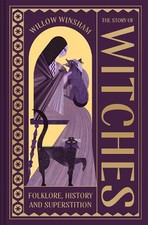
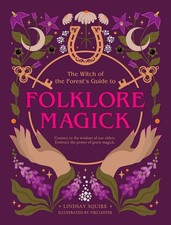
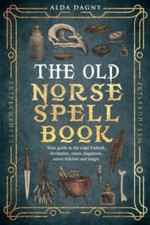
Witch folklore has existed for centuries and is deeply rooted in the traditions, fears, and beliefs of many cultures around the world. A witch is commonly described as a person believed to possess magical powers, often used to influence people, nature, or events. In early societies, witches were both feared and respected because people believed they could heal illnesses, predict the future, or cast harmful spells.
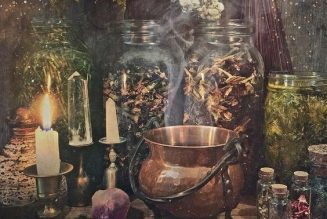
The idea of witchcraft dates back to ancient civilizations such as Egypt, Greece, and Rome. In many communities, wise women and healers used herbs and natural remedies to treat sickness. Over time, however, people began to associate unusual events like crop failures, storms, or diseases with supernatural powers. As a result, accusations of witchcraft became common.
During the Middle Ages in Europe, fear of witches increased greatly. Many people believed witches worked with evil spirits or the devil. This period saw the rise of witch hunts, where thousands of innocent people, especially women, were accused of practicing dark magic. Trials were often unfair, and punishments were severe, including imprisonment or execution. The Salem Witch Trials in colonial America during 1692 remain one of the most famous examples of mass fear and suspicion related to witchcraft.
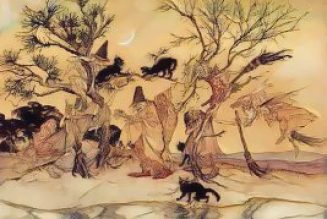
Folklore describes witches in many different ways. Some stories portray them as old women flying on broomsticks, wearing black cloaks and pointed hats, and living in dark forests. Others present witches as powerful magical beings capable of transforming themselves into animals or creating potions and charms. In some cultures, witches are evil figures, while in others they are protectors, healers, or spiritual guides.
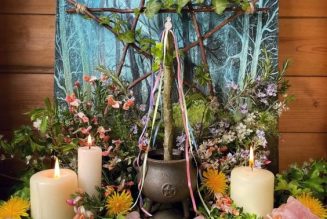
Modern views of witches have changed significantly. Today, witchcraft is often linked to spiritual practices such as Wicca, a modern pagan religion that respects nature and promotes positive magic. Popular books and movies have also transformed witches into fascinating fictional characters rather than frightening figures.
In conclusion, witch folklore reflects humanity’s imagination, cultural beliefs, and historical fears. From ancient healers to modern fictional heroes, witches continue to remain an important and mysterious part of folklore and storytelling across the world.