We would like to disclose that this website may contain affiliate links. This means that if you click on a product link and make a purchase, we may earn a commission. As an Amazon & eBay Partner Network Associate, we earn from qualifying purchases.
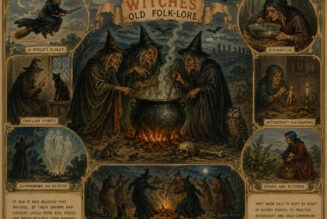
Black Magick in witchcraft has long been surrounded by mystery, fear, and misunderstanding. Often associated with harmful intentions, black magick refers to the use of supernatural powers or rituals to manipulate events, influence people, or cause damage. Unlike white magick, which is commonly linked with healing, protection, and positive energy, black magick is believed to focus on darker purposes such as revenge, curses, domination, and personal gain at the expense of others.
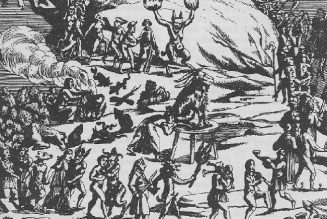
Historically, the concept of black magick dates back to ancient civilizations where people practiced rituals to communicate with spirits and unseen forces. During the Middle Ages in Europe, witchcraft and black magick became subjects of fear and suspicion. Many individuals, especially women, were accused of practicing dark arts and faced severe punishment during the witch hunts. These accusations were often driven by superstition, religious beliefs, and social tensions rather than evidence.
In modern witchcraft, black magick is viewed differently depending on spiritual traditions and personal beliefs. Some practitioners reject the term entirely, arguing that magick itself is neutral and that only the intention behind it determines whether it is good or evil. Others believe that using magick to harm others creates negative consequences for the practitioner. In Wiccan beliefs, for example, the “Rule of Three” states that whatever energy a person sends into the world returns to them threefold.
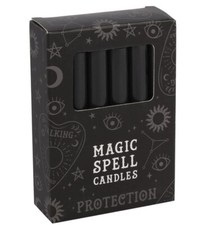
Black magick rituals are often said to involve candles, symbols, chants, herbs, and rituals performed during specific moon phases. Popular culture, movies, and novels have exaggerated these practices, portraying witches as dangerous or evil figures. In reality, most modern witches focus on spirituality, self-discovery, and harmony with nature rather than harmful acts.
The fascination with black magick continues because it touches on human curiosity about power, the unknown, and the supernatural. Whether viewed as myth, spiritual practice, or psychological symbolism, black magick remains an important part of the history and culture of witchcraft. Understanding it requires separating fact from fiction and recognizing the diverse beliefs that exist within magical traditions around the world.
![Choose your SHOWCASE ~ Kaldheim [ NM ] [ Magic](https://i.ebayimg.com/images/g/PmUAAOSwwbpkAigY/s-l225.jpg)