We would like to disclose that this website may contain affiliate links. This means that if you click on a product link and make a purchase, we may earn a commission. As an Amazon & eBay Partner Network Associate, we earn from qualifying purchases.
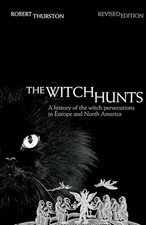
The witch hunts were a series of persecutions that took place mainly in Europe and North America between the 15th and 18th centuries. During this period, thousands of people were accused of practicing witchcraft, which was believed to involve using supernatural powers to harm others or work with the devil. These accusations often led to trials, imprisonment, torture, and execution.
The witch hunts were driven by fear, superstition, and religious beliefs. Many people believed that witches could cause illness, crop failures, storms, and other misfortunes. In times of hardship, communities often looked for someone to blame, and individuals who were different, unpopular, or vulnerable became easy targets. Most of those accused were women, although men and children were sometimes accused as well.
One of the most famous witch hunts occurred in Salem, Massachusetts, in 1692. Known as the Salem Witch Trials, this event began when a group of young girls claimed to be possessed and accused several local people of witchcraft. Fear spread quickly throughout the community, leading to the arrest of more than 200 people. Nineteen people were executed, and several others died in prison before the hysteria eventually ended.
In Europe, witch hunts were even more widespread. Countries such as Germany, France, Scotland, and Switzerland saw large numbers of trials and executions. Historians estimate that between 40,000 and 60,000 people were executed for witchcraft during this period. Many confessions were obtained through torture, making the trials highly unfair.
Over time, attitudes began to change. The growth of scientific thinking and the Enlightenment encouraged people to question superstitions and demand stronger evidence in legal cases. As a result, belief in witchcraft as a serious crime declined, and witch hunts gradually came to an end.
Today, the witch hunts are remembered as a tragic example of how fear, prejudice, and misinformation can lead to injustice. They serve as an important reminder of the need for critical thinking, fairness, and respect for human rights in society.