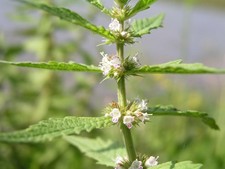
Gypsywort (Lycopus europaeus) is a perennial herb that grows naturally in damp meadows, marshes, and along riverbanks throughout Europe and parts of Asia. Although it has a long history in traditional herbal medicine, Gypsywort also holds a place in modern pagan and witchcraft traditions, where it is valued more for its symbolic and magical associations than for historical evidence of widespread ritual use.
In many contemporary pagan practices, Gypsywort is connected with the element of Water because of its preference for wet environments. Water is associated with intuition, healing, emotional balance, dreams, and spiritual cleansing. Practitioners may include Gypsywort in rituals intended to encourage emotional healing, deepen meditation, or strengthen psychic awareness.
Within witchcraft, Gypsywort is sometimes used in spell work focused on truth, honesty, and clear communication. Its grounding energy is believed by some practitioners to help dispel confusion, reveal hidden intentions, and encourage sincere interactions. Dried leaves may be added to herbal sachets, charm bags, or spell jars intended to promote wisdom, calmness, and emotional stability.
Gypsywort is also occasionally incorporated into rituals honoring local spirits, rivers, lakes, or nature deities. Because the plant thrives near water, it is sometimes offered as a symbolic gift during seasonal celebrations or ceremonies that recognize the sacredness of natural waterways. Some pagans view it as a reminder of the importance of respecting ecosystems and maintaining harmony with the natural world.
In herbal magic, Gypsywort may be burned as incense when blended with other aromatic herbs, although many practitioners prefer to place the dried herb on an altar or carry it in a pouch rather than burn it directly. It may also be included in ritual baths, provided it is used safely and with an understanding of any potential sensitivities.
It is important to note that many of Gypsywort’s magical correspondences come from modern folk magic and contemporary pagan traditions rather than documented ancient practices. Beliefs about its spiritual properties vary widely between traditions and individual practitioners. As with many magical herbs, its significance often lies in the intention of the practitioner and the symbolic connection they establish with the plant, rather than in any universally accepted magical attributes.