We would like to disclose that this website may contain affiliate links. This means that if you click on a product link and make a purchase, we may earn a commission. As an Amazon & eBay Partner Network Associate, we earn from qualifying purchases.
The summer solstice, which marks the longest day and shortest night of the year in the Northern Hemisphere, has been celebrated for centuries as a time of light, abundance, and connection with nature. Across different cultures and countries, people mark this special occasion with festivals, rituals, and outdoor gatherings that honor the sun and the height of the growing season.
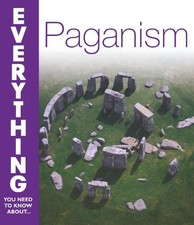
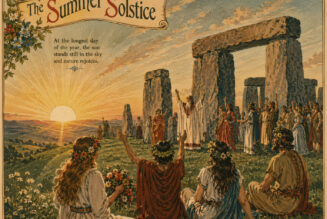
One of the most iconic summer solstice traditions takes place at the ancient stone circle of Stonehenge in England. Every year, thousands of visitors gather before dawn to witness the sunrise perfectly align with the monument’s stones. This event creates a powerful link between modern celebrations and ancient customs that have endured for generations.
In Sweden, the summer solstice is celebrated as Midsommar, one of the country’s most beloved festivals. Families and friends come together to enjoy the long, bright evenings by dancing around decorated maypoles, wearing flower crowns, and sharing traditional foods such as pickled herring, new potatoes, and fresh strawberries. The festival highlights the beauty of nature and the joy of community.
Further north, regions close to the Arctic Circle experience the phenomenon known as the “midnight sun,” where daylight can last almost 24 hours. Communities in places such as Fairbanks, Alaska, celebrate with lively outdoor events including concerts, sporting competitions, street fairs, and family activities that make the most of the endless daylight.
Nature plays a central role in many solstice traditions. Bonfires are commonly lit to symbolize the sun’s power and to encourage prosperity and successful harvests. In some cultures, people greet the sunrise with an early-morning swim or a walk through dew-covered grass, believing these activities promote health, renewal, and spiritual cleansing.
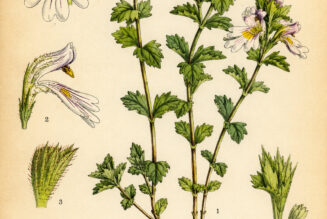
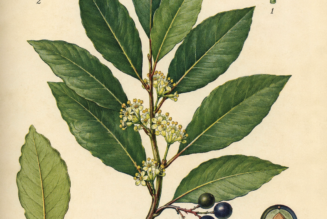
Many people also celebrate the solstice in simpler ways at home. Seasonal meals featuring fresh fruits, herbs, vegetables, and grilled foods are popular. Others decorate their homes with flowers and greenery or create botanical crowns as a way of embracing the beauty and abundance of summer.
Whether through ancient ceremonies, lively festivals, or quiet personal traditions, the summer solstice remains a joyful celebration of light, nature, and life’s seasonal rhythms.