We would like to disclose that this website may contain affiliate links. This means that if you click on a product link and make a purchase, we may earn a commission. As an Amazon & eBay Partner Network Associate, we earn from qualifying purchases.
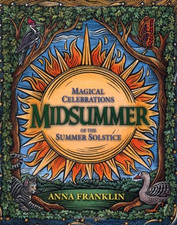
For the ancient Celts, the Summer Solstice, often known as Midsummer, marked one of the most important and sacred moments of the year. Occurring when the sun reaches its highest point in the sky, it symbolized the peak of solar power, fertility, abundance, and the vitality of the natural world. Communities gathered to honour the sun and celebrate the life-giving energy that sustained crops, livestock, and people.
At the heart of Celtic solstice celebrations were great bonfires lit on hilltops and open landscapes. These fires were believed to strengthen the power of the sun while offering protection, purification, and healing. Couples would leap over the flames to attract good fortune and fertility, while farmers guided their cattle between two fires to shield them from illness and ensure healthy herds throughout the year.
The solstice was also associated with powerful deities linked to light and fertility. In Irish tradition, the goddess Áine was honoured as a symbol of the sun, prosperity, and the fertility of both land and people. Other Celtic regions paid tribute to Belenus, a god connected with light, healing, and sacred springs.
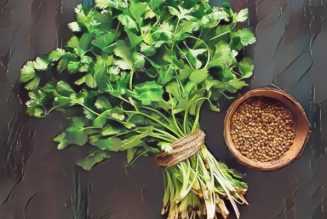
Nature played a central role in Midsummer observances. The eve of the solstice was regarded as the most potent time for gathering medicinal plants. Herbs such as St. John’s Wort and Vervain were believed to absorb the sun’s strongest energy, making them especially valuable for healing and protection. Sacred wells and fresh morning dew were also thought to possess magical properties, bringing health, beauty, and good fortune to those who used them.
Celtic folklore held that the solstice was a liminal time when the boundary between the human world and the Otherworld became thin. Fairies, spirits, and other mystical beings were believed to be especially active, adding an element of enchantment and mystery to the season.
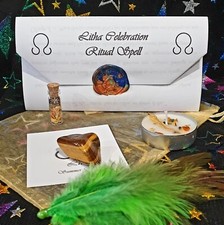
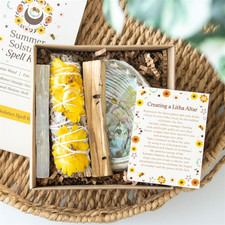
Today, many of these ancient customs continue in modern celebrations. Solstice gatherings at stone circles and ancient monuments remain popular, while contemporary pagan traditions, often known as Litha, incorporate Celtic symbols, herbal practices, storytelling, flower crowns, and sunrise ceremonies to honour the enduring spirit of Midsummer.