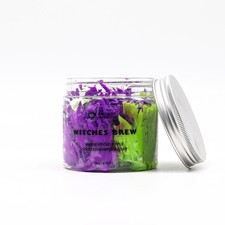
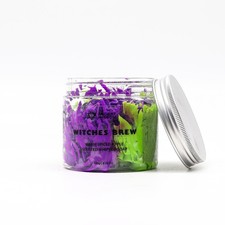
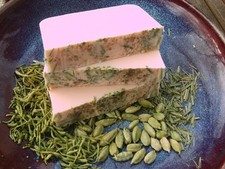
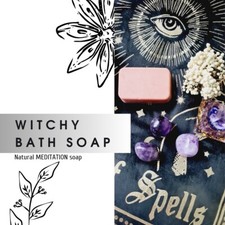
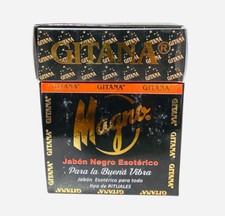
Witches soap has become increasingly popular among people interested in natural skincare, spiritual wellness, and handmade beauty products. Traditionally associated with herbal remedies and mystical practices, witches soap is often crafted using natural ingredients such as essential oils, herbs, flowers, clays, and plant-based oils. While the term may sound mysterious, witches soap is usually less about magic and more about combining nature-inspired ingredients with holistic self-care traditions. These soaps are appreciated for their gentle cleansing properties, pleasant aromas, and symbolic connections to healing, relaxation, and personal well-being.
One of the main benefits of witches soap is its use of natural ingredients. Unlike many commercial soaps that contain harsh detergents, synthetic fragrances, and chemical preservatives, witches soap is commonly handmade using nourishing oils such as coconut oil, olive oil, shea butter, and castor oil. These ingredients help moisturize and protect the skin while cleansing away dirt and impurities. Many people with sensitive skin prefer handmade soaps because they are often free from irritating additives that can cause dryness or discomfort.
Herbs and botanicals are another important feature of witches soap. Lavender, rosemary, chamomile, peppermint, sage, and calendula are commonly added to provide both skincare and aromatherapy benefits. Lavender is known for its calming properties and can help reduce stress during a bath or shower. Peppermint offers a refreshing and cooling sensation that can energize the body and mind. Chamomile is often used to soothe irritated skin, while calendula may help support healing and reduce redness. These herbal ingredients make witches soap appealing to those seeking a more natural and relaxing bathing experience.
Essential oils are frequently used in witches soap to create unique scents and therapeutic effects. Tea tree oil, for example, is valued for its antibacterial properties and is often included in soaps designed for acne-prone skin. Eucalyptus oil may help create a refreshing and spa-like experience, while citrus oils such as orange or lemon can boost mood and provide an uplifting scent. Because handmade witches soap often relies on essential oils rather than artificial fragrances, many users appreciate the more authentic and subtle aromas.
Another significant use of witches soap is in spiritual and mindfulness practices. For centuries, bathing rituals have been connected with cleansing not only the body but also the mind and spirit. Many people use witches soap during meditation, relaxation routines, or self-care rituals to promote inner peace and emotional balance. Certain herbs and scents are believed to symbolize protection, positivity, love, confidence, or healing. Even for those who do not practice spirituality, the ritual of using a carefully crafted soap can encourage mindfulness and create a calming daily routine.
Witches soap is also popular because it supports environmentally friendly living. Handmade soaps are often produced in small batches using biodegradable ingredients and minimal packaging. Many soap makers avoid plastic containers and instead use recyclable or compostable wrapping materials. This eco-conscious approach appeals to consumers who want to reduce waste and support sustainable products. Additionally, many small businesses that create witches soap focus on ethical sourcing and cruelty-free production methods.
The creativity involved in making witches soap is another reason for its growing popularity. Soap makers often experiment with colors, swirls, dried flowers, crystals, and moon-inspired designs to create products that are visually beautiful as well as functional. Some soaps are themed around seasons, lunar cycles, or herbal traditions. This artistic element makes witches soap attractive as a gift item or decorative addition to a bathroom. Many people enjoy supporting local artisans who handcraft these unique products.
Another advantage of witches soap is that it can be customized to suit different skin types and preferences. People with dry skin may choose soaps rich in shea butter and oatmeal, while those with oily skin might prefer charcoal or clay-based formulas. Individuals seeking relaxation can select lavender or chamomile blends, while those wanting an energizing experience may choose peppermint or citrus varieties. This level of personalization is difficult to find in mass-produced soaps.
In addition to personal use, witches soap can contribute to emotional wellness by encouraging self-care habits. Taking time to enjoy a warm bath or a soothing shower can reduce stress and improve mood after a long day. The sensory experience of natural scents, creamy lather, and herbal ingredients can help create moments of calm in a busy lifestyle. Many people view these rituals as an important part of maintaining both physical and mental well-being.
In conclusion, witches soap offers a combination of natural skincare, aromatherapy, creativity, and holistic wellness. Its handmade quality, herbal ingredients, and environmentally friendly production make it an appealing alternative to commercial soaps. Whether used for moisturizing the skin, creating a relaxing atmosphere, supporting mindfulness practices, or simply enjoying beautiful artisan products, witches soap provides benefits that go beyond ordinary cleansing. As interest in natural and sustainable living continues to grow, witches soap is likely to remain a valued part of self-care and wellness traditions.