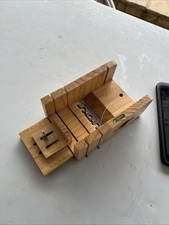
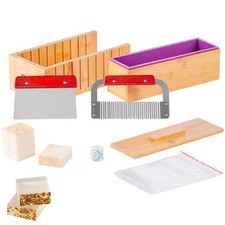
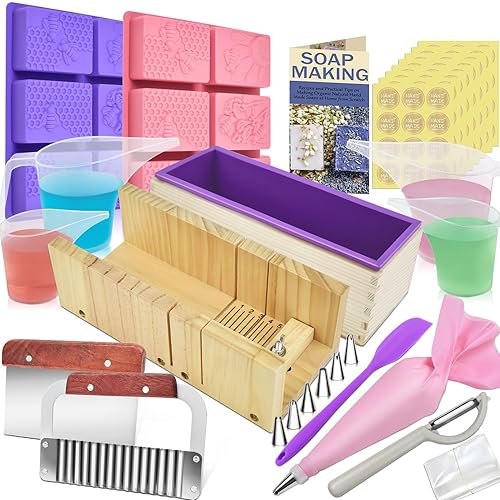
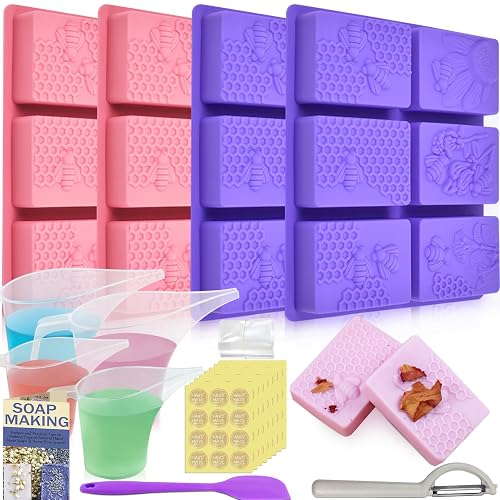
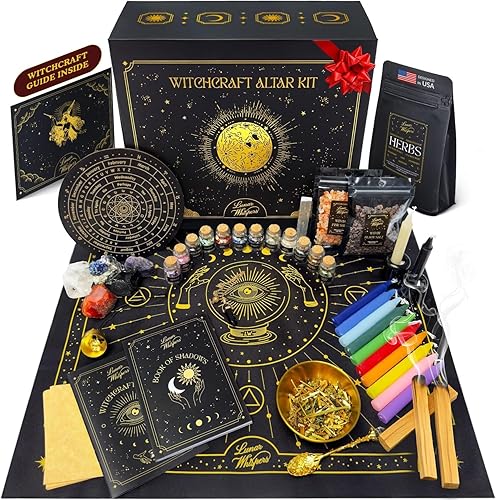
Soap-making kits have become increasingly popular among modern pagans and practitioners of witchcraft who value handmade ritual tools, natural ingredients, and intentional crafting. For many spiritual practitioners, soap is far more than a cleansing product. It can serve as a sacred object infused with symbolism, herbs, oils, colors, and magical intention. A thoughtfully designed soap-making kit allows witches and pagans to create personalized spiritual tools that align with seasonal celebrations, spellwork, energy cleansing, and devotional practices.
At the heart of pagan and witchcraft traditions is the belief that intention matters. The process of creating something with focused purpose transforms an ordinary object into a magical one. Soap-making naturally lends itself to this philosophy because it combines elemental symbolism with practical everyday use. Water, earth-derived botanicals, fire for heating, and air for curing all play a role in the crafting process. Many practitioners view the act itself as a ritual, blending herbs and oils while chanting affirmations, meditating, or casting protective intentions.
A good soap-making kit for pagan or witchcraft use typically includes melt-and-pour soap bases or cold-process ingredients, essential oils, dried herbs, natural colorants, molds, and mixing tools. While beginner-friendly kits focus on ease and safety, more advanced kits may include lye and oils for traditional cold-process soap crafting. Melt-and-pour kits are often preferred by newcomers because they allow practitioners to focus on symbolism and magical correspondences rather than complicated chemistry.
Herbs are one of the most important aspects of magical soap crafting. Lavender is frequently associated with peace, sleep, purification, and healing. Rosemary symbolizes protection and mental clarity, while rose petals are connected to love, beauty, and emotional healing. Mugwort is commonly used in spiritual and dream work, though many practitioners use it carefully due to its strong associations with psychic practices. Calendula, chamomile, peppermint, and sage are also common additions depending on the intended magical purpose of the soap.
Essential oils provide both fragrance and energetic symbolism. Frankincense and myrrh are often chosen for spiritual cleansing and ritual work. Patchouli is associated with grounding and prosperity, while citrus oils like orange or bergamot may represent joy, confidence, and solar energy. Many witches carefully select oils according to magical correspondences tied to planets, moon phases, or sabbats. For example, a soap created for a full moon ritual might include jasmine or sandalwood, while a Yule-inspired soap could feature pine, cinnamon, and clove.
Color symbolism also plays a major role in pagan soap-making. Black soap may be crafted for protection or banishing negativity, while white symbolizes purification and spiritual clarity. Green is associated with abundance and nature magic, red with passion and vitality, and purple with intuition and psychic awareness. Natural colorants such as activated charcoal, spirulina, beetroot powder, turmeric, and clays are especially popular because they align with the pagan emphasis on earth-based ingredients.
Soap molds can further personalize the magical experience. Crescent moons, pentacles, ravens, herbs, crystals, cauldrons, and seasonal symbols are common mold designs used by witches and pagans. These shapes transform a simple bar of soap into an altar-worthy object or meaningful gift for coven members and spiritually minded friends. Some practitioners even carve sigils into finished soaps to strengthen their magical purpose.
Seasonal celebrations, known as sabbats in many pagan traditions, offer endless inspiration for themed soap creations. During Samhain, witches may craft dark, spicy soaps using clove, patchouli, and charcoal to honor ancestors and embrace transformation. Beltane soaps often feature floral scents and vibrant colors celebrating fertility, passion, and the blooming earth. Ostara-inspired soaps may incorporate pastel colors and fresh herbs symbolizing renewal and spring growth. By aligning soap-making with the Wheel of the Year, practitioners deepen their connection to seasonal cycles and nature.
Beyond ritual use, magical soaps can support everyday spiritual practices. A cleansing soap infused with rosemary and sea salt might be used before meditation or spellwork. A self-love soap containing rose and vanilla may become part of a daily affirmation ritual. Some witches create soaps specifically for grounding, confidence, dream work, or emotional healing. The repeated act of washing with intention reinforces spiritual focus and mindfulness throughout daily life.
Soap-making kits also appeal to pagans because they encourage self-sufficiency and creativity. Many modern witches embrace handmade crafts as an extension of folk magic traditions practiced for generations. Creating soaps by hand reconnects practitioners with ancestral skills while reducing dependence on mass-produced commercial products filled with synthetic ingredients. The process becomes both practical and sacred.
Ultimately, soap-making kits offer pagans and witches a meaningful way to combine creativity, spirituality, and ritual intention. Whether used for seasonal celebrations, magical cleansing, self-care, or devotional offerings, handmade soaps reflect the deeply personal nature of pagan practice. Through herbs, oils, colors, and focused intention, ordinary cleansing rituals become opportunities for spiritual connection and magical expression.