Pagan anointing oils have been used for centuries in spiritual practices, rituals, and personal devotion. Rooted in ancient traditions, these fragrant blends are believed to help focus intention, cleanse energy, invite blessings, and deepen spiritual connection. While the exact ingredients and uses vary between traditions such as Wicca, Druidry, and folk Paganism, anointing oils remain an important tool for many modern practitioners seeking balance, protection, healing, or empowerment.
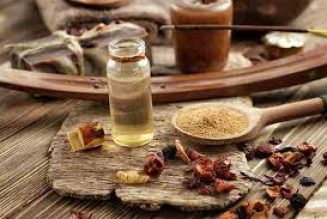
Anointing oil is typically made by blending a carrier oil, such as olive, almond, or jojoba oil, with herbs, flowers, resins, or essential oils that correspond to a specific purpose. In Pagan practice, the power of the oil is often linked not only to its ingredients but also to the intention placed into it during creation and use. Many practitioners bless or charge their oils during moon phases, seasonal festivals, or ritual ceremonies to enhance their spiritual energy.
One of the primary benefits of Pagan anointing oil is its ability to help focus the mind during ritual work. Scent has a powerful connection to memory and emotion, and certain aromas can quickly shift a person into a meditative or sacred mindset. Applying oil to the wrists, forehead, or heart before a ritual can help practitioners feel grounded, calm, and spiritually aware. This intentional act signals the transition from everyday life into sacred space.
Protection oils are among the most commonly used Pagan blends. These oils often contain ingredients such as rosemary, frankincense, black pepper, sage, or dragon’s blood resin. Protection oils are believed to shield against negativity, unwanted influences, or emotional drain. They may be applied to candles, doorways, ritual tools, or the body before entering stressful environments. Some practitioners anoint windows and entrances to create a protective spiritual barrier around the home.
Love oils are another popular category. Often made with rose, jasmine, vanilla, cinnamon, or ylang-ylang, these blends are associated with attraction, self-love, emotional healing, and harmony. Contrary to misconceptions, many Pagans use love oils not to control others, but to encourage confidence, openness, and healthy relationships. They may be worn as personal fragrances, added to bath rituals, or used to dress candles during love-focused ceremonies.
Healing oils are valued for their calming and restorative qualities. Lavender, chamomile, eucalyptus, peppermint, and sandalwood are common ingredients in these blends. Healing oils are frequently used during meditation, spiritual cleansing, or wellness rituals aimed at emotional balance and inner peace. Some practitioners apply healing oil during energy work or prayer as a symbolic gesture of renewal and comfort.
Prosperity and abundance oils are designed to attract success, confidence, and financial opportunity. Ingredients like basil, patchouli, cinnamon, clove, and orange are often associated with wealth and motivation. These oils can be applied to wallets, candles, business tools, or ritual objects connected to career goals and manifestation practices. Many people use prosperity oils during new moon rituals or before important professional events to encourage positive outcomes.
Another widely respected blend is purification oil. These oils commonly include sage, cedar, juniper, lemon, or hyssop and are used to spiritually cleanse spaces, objects, or individuals. Purification oils may be applied before rituals, after stressful events, or during seasonal transitions to clear stagnant energy. In many Pagan traditions, cleansing is considered an essential step before performing any magical or spiritual work.
Pagan anointing oils can also strengthen the connection between practitioners and deities, spirits, or natural energies. Oils dedicated to specific gods or goddesses often contain herbs and scents associated with those beings. For example, an oil honoring a moon goddess may include jasmine or mugwort, while a solar deity blend might feature sunflower or frankincense. Anointing candles, altar tools, or oneself with these oils can create a stronger sense of devotion and spiritual presence.
In addition to ritual use, many people simply enjoy Pagan oils for their relaxing aromas and symbolic meaning. The process of creating and using these oils encourages mindfulness, self-care, and intentional living. Whether used in meditation, prayer, seasonal celebrations, or personal reflection, anointing oils can serve as gentle reminders of spiritual goals and inner strength.
Ultimately, Pagan anointing oils are more than scented blends. They are tools of symbolism, focus, and sacred intention. By combining natural ingredients with purposeful ritual, practitioners use these oils to support emotional well-being, spiritual growth, protection, healing, and connection with the natural world.