We would like to disclose that this website may contain affiliate links. This means that if you click on a product link and make a purchase, we may earn a commission. As an Amazon & eBay Partner Network Associate, we earn from qualifying purchases.
Incense cones have long held a place in spiritual and ceremonial traditions across the world. In modern paganism and witchcraft, they are valued not only for their fragrance but also for their symbolic and energetic properties. The curling smoke of burning incense is often believed to carry prayers, intentions, and magical energy into the spiritual realm, creating an atmosphere that supports ritual work, meditation, and spellcasting.
Unlike incense sticks, cones are compact and burn from the top downward, producing a thicker and often more concentrated stream of smoke. This makes them especially popular in indoor rituals and altar work. Many practitioners of pagan and witchcraft traditions choose incense cones based on the herbs, resins, or oils used in their creation, as each scent is associated with different magical correspondences and spiritual purposes.
In pagan practices, incense is commonly used to cleanse sacred space before rituals begin. Smoke cleansing is an ancient practice found in many cultures, and pagans often use incense cones made with sage, cedar, frankincense, or myrrh to remove stagnant or negative energy. Before casting a ritual circle, a practitioner may walk around the area with a burning cone, allowing the smoke to purify the environment and prepare it for spiritual work.
Incense also plays an important role in honoring deities and spirits. Different gods and goddesses are associated with specific scents and herbs. For example, devotees of lunar or feminine deities may burn jasmine or sandalwood incense, while those working with solar or warrior deities may choose dragon’s blood or cinnamon. The offering of fragrant smoke is viewed as a gesture of reverence and hospitality toward divine beings, ancestors, or spirit guides.
In witchcraft, incense cones are frequently incorporated into spellwork. The scent chosen often aligns with the intention of the spell. Lavender is commonly associated with peace, healing, and sleep magic, while patchouli may be used in prosperity or grounding rituals. Rose incense is linked to love and emotional healing, whereas mugwort is often burned during divination or dream work. As the cone burns, practitioners focus on their intention, visualizing the smoke carrying their desires into the universe.
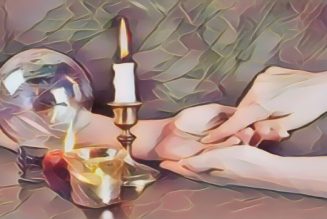
Meditation and trance work are other areas where incense cones are widely used. The repetitive movement of smoke and the calming effect of certain fragrances can help practitioners enter altered states of consciousness. During tarot readings, scrying, or moon rituals, incense may deepen concentration and create a stronger sense of connection to intuition and spiritual energies.
Many modern witches and pagans also view incense as a representation of the element of air, one of the four classical elements commonly invoked in ritual practice. On an altar, a burning incense cone may symbolize intellect, communication, breath, inspiration, and spiritual movement. When combined with candles for fire, water bowls, and stones or salt for earth, incense helps create elemental balance within sacred ceremonies.
The crafting of homemade incense cones has also become increasingly popular among practitioners seeking a more personal connection to their magical tools. By blending herbs, essential oils, wood powders, and natural binders, witches can create incense specifically tailored to their intentions. A protection incense blend might include rosemary, clove, and black pepper, while a ritual for self-love could feature rose petals, vanilla, and hibiscus. Creating incense by hand transforms the process into a form of kitchen witchcraft or herbal magic in itself.
Despite their spiritual associations, incense cones are also appreciated simply for the atmosphere they create. Ritual is often about engaging the senses, and scent can strongly influence mood and memory. The smell of a familiar incense blend may help a practitioner immediately enter a ritual mindset, much like sacred music or candlelight. Over time, certain scents become linked to personal spiritual experiences, strengthening their emotional and magical significance.
It is important to note that paganism and witchcraft are highly diverse traditions, and not all practitioners use incense in the same way. Some follow structured ceremonial systems with detailed correspondences, while others practice more intuitive forms of spirituality. For many, incense cones are less about rigid rules and more about creating a meaningful sensory experience that supports focus, intention, and connection.
Today, incense cones remain a cherished tool within contemporary pagan and witchcraft communities. Whether used for cleansing, offerings, spellwork, meditation, or seasonal celebrations, they continue a tradition that stretches back thousands of years. Their fragrant smoke serves as both symbol and practice — a reminder of humanity’s enduring desire to connect with the unseen world through ritual, scent, and sacred intention.