We would like to disclose that this website may contain affiliate links. This means that if you click on a product link and make a purchase, we may earn a commission. As an Amazon & eBay Partner Network Associate, we earn from qualifying purchases.
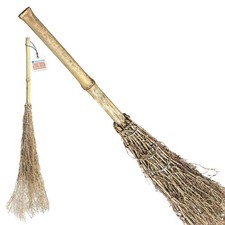
The besom, commonly known as a broom, is one of the most recognizable tools associated with paganism and witchcraft. Far more than a simple household cleaning implement, the besom holds deep spiritual significance and has been used for centuries in rituals, ceremonies, and magical practices. Its symbolism is rooted in purification, protection, and the creation of sacred space.
Historically, the besom was used by many rural communities as an everyday tool, but within pagan and witchcraft traditions it evolved into a powerful ritual object. Practitioners often use the besom to symbolically sweep away negative energies before conducting rituals or spellwork. Unlike ordinary cleaning, this ritual sweeping is usually performed without the broom physically touching the ground. Instead, it is passed over an area to clear unwanted influences and prepare the space for spiritual work.
In many pagan traditions, the besom also represents balance and unity. The handle, often made of wood, symbolizes masculine energy, while the bristles represent feminine energy. Together, these elements embody harmony and the union of complementary forces found throughout nature. This symbolism makes the besom an important tool in rites celebrating fertility, abundance, and the cycles of life.
The besom is also associated with protection. Some practitioners place a besom near the entrance of their home to ward off negative energies and unwanted influences. It is believed to act as a spiritual guardian, helping to maintain a positive and peaceful environment. In certain traditions, newly married couples may jump over a besom as part of a handfasting or wedding ceremony, symbolizing a new beginning and the crossing into a shared life together.
Today, the besom remains an important and cherished tool among modern pagans and witches. Whether handcrafted for ritual use or displayed as a symbol of spiritual practice, it serves as a reminder of the connection between the physical and spiritual worlds. Through its roles in cleansing, protection, and ceremony, the besom continues to embody the values of respect for nature, personal transformation, and sacred tradition that lie at the heart of paganism and witchcraft.