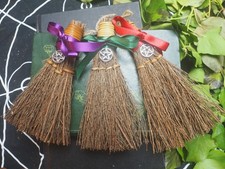
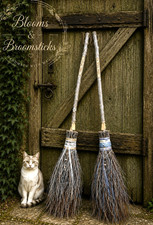
A besom is a traditional broom made from bundles of twigs tied around a wooden handle. For centuries, besoms were an essential household tool in rural communities across Europe, especially in Britain. Before the invention of modern factory-made brooms, people relied on handmade besoms to sweep homes, barns, pathways, and workshops. Their simple construction and effectiveness made them valuable in everyday life.
The word “besom” comes from an old English term meaning “broom.” Traditionally, the broom head was made from birch twigs, broom plant branches, or heather, depending on the materials available in a particular region. The handle was usually carved from ash, hazel, or another strong wood. Skilled craftsmen carefully bound the twigs together using cord, willow strips, or wire to create a durable sweeping tool.
Besom making was once an important rural craft. In many villages, local craftsmen produced besoms to sell at markets and fairs. The process required patience and knowledge of natural materials. Twigs had to be cut at the right season, dried properly, and arranged carefully to ensure the broom was strong and long-lasting. Although industrially manufactured brooms eventually replaced handmade besoms, the craft still survives in some areas as part of traditional heritage.
Beyond their practical use, besoms also hold cultural and symbolic significance. In folklore and mythology, they are often linked with witches and magic. Images of witches riding flying broomsticks originated from medieval European legends and later became a common feature in literature and popular culture. In some traditions, besoms symbolized purification and were used in ceremonies to “sweep away” negative energy or bad luck.
Today, besoms are appreciated both as historical artifacts and decorative items. Many people admire them for their rustic appearance and connection to traditional craftsmanship. Demonstrations of besom making are often featured at heritage festivals and country fairs, where visitors can observe the techniques used by earlier generations.
In conclusion, the besom is far more than a simple broom. It represents practical ingenuity, rural tradition, and cultural symbolism. Even in the modern world, this humble handmade tool continues to fascinate people with its history, craftsmanship, and enduring place in folklore.