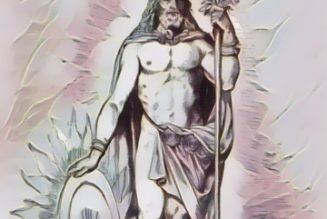
Hemp (Cannabis sativa), particularly its non-intoxicating fiber varieties, has a long history in many cultures and has occasionally been associated with folk magic, pagan practices, and modern witchcraft. Its significance is often tied more to symbolism, practical use, and spiritual associations than to any single religious tradition.
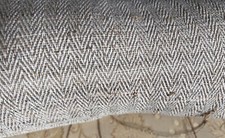
In ancient societies, hemp was valued for its durability and versatility. The plant provided fiber for ropes, clothing, paper, and ceremonial objects. Because it was useful in everyday life and agriculture, some communities viewed it as a symbol of abundance, prosperity, and the interconnectedness of humans with the natural world. These themes later influenced certain pagan interpretations of the plant.
In contemporary paganism, particularly nature-centered traditions, hemp may be regarded as a sacred plant because of its strong connection to the earth and its many practical benefits. Practitioners sometimes include hemp fibers, seeds, or oils in rituals celebrating harvests, fertility, growth, and renewal. Hemp can symbolize resilience, sustainability, and balance with nature—values that are central to many modern pagan paths.
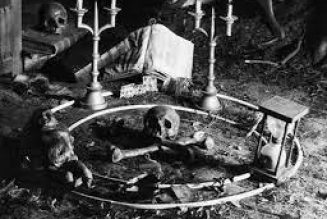
Within modern witchcraft, hemp is often used in spell work and ritual crafts. Hemp cord or twine may be employed in knot magic, a practice in which knots are tied while focusing intention on a desired outcome such as protection, healing, or prosperity. Some witches create charms, sachets, or ritual tools using hemp materials because they are natural and biodegradable, reinforcing the connection between magic and the natural world.
Hemp seeds are sometimes included in spells associated with fertility, abundance, and manifestation. The act of planting seeds can represent the planting of intentions or goals that will grow over time. Hemp oil may also be used to anoint candles, ritual objects, or sacred spaces, depending on individual traditions and practices.
It is important to note that historical evidence for hemp’s role in ancient pagan religions varies considerably. While some cultures used cannabis-related plants in spiritual or ceremonial contexts, many modern magical associations with hemp are based on contemporary interpretations rather than direct continuations of ancient practices. As a result, hemp’s role in paganism and witchcraft today is often highly personal and shaped by individual traditions, emphasizing its symbolism of growth, protection, abundance, and harmony with nature.