We would like to disclose that this website may contain affiliate links. This means that if you click on a product link and make a purchase, we may earn a commission. As an Amazon & eBay Partner Network Associate, we earn from qualifying purchases.
Mabon is a pagan festival celebrated during the autumn equinox, usually around September 21st to 23rd in the Northern Hemisphere. It marks the point in the year when day and night are of equal length, symbolizing balance, harmony, and reflection. Mabon is one of the eight seasonal festivals, or Sabbats, observed in many modern pagan traditions, particularly Wicca. It is considered the second harvest festival of the year, following Lughnasadh and preceding Samhain.
The name “Mabon” is derived from a Welsh mythological figure, although the festival itself is a modern reconstruction inspired by ancient harvest celebrations. During this time, pagans give thanks for the abundance of the harvest and reflect on the blessings they have received throughout the year. It is a season of gratitude, preparation, and acknowledging the changing cycles of nature.
In paganism, Mabon represents the delicate balance between light and darkness. As the days begin to shorten and winter approaches, practitioners are encouraged to look inward, evaluate their lives, and seek equilibrium between their spiritual, emotional, and physical well-being. The equinox serves as a reminder that change is a natural part of life and that every ending eventually leads to a new beginning.
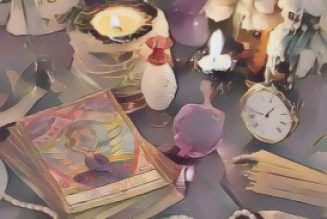
For those who practice witchcraft, Mabon is an important time for magical work focused on gratitude, protection, prosperity, and personal growth. Rituals often involve creating altars decorated with autumn leaves, apples, pumpkins, acorns, and other seasonal symbols. Witches may perform spells to attract abundance, strengthen family bonds, or release negative influences before the darker months of the year.
Mabon is also a time for meditation and honoring the Earth’s cycles. Many practitioners spend time in nature, collecting seasonal items, sharing harvest meals, and celebrating community. The festival encourages mindfulness and appreciation for the interconnectedness of all living things.
Ultimately, Mabon is a celebration of balance, gratitude, and transformation. Its significance in paganism and witchcraft lies in its reminder to honor the harvest of both the land and the spirit while preparing for the quiet introspection of the coming winter season.