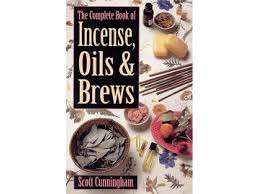
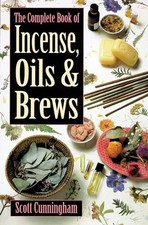
Scott Cunningham’s The Complete Book of Incense, Oils & Brews remains one of the most respected and influential guides in modern magical and spiritual practice. Widely regarded as a foundational text for beginners and experienced practitioners alike, the book offers an in-depth exploration of how incense, oils, powders, and brews can be used to enhance ritual work, meditation, and personal spiritual development. Cunningham’s approachable writing style, combined with his extensive knowledge of herbal and magical traditions, makes this book both educational and practical.
One of the book’s greatest strengths is its ability to connect modern magical practices with their historical roots. Cunningham explains how incense, oils, and ritual brews have been used for centuries in cultures around the world. Ancient Egyptians burned incense in temples as offerings to the gods and as a way to purify sacred spaces. In Greece and Rome, aromatic resins and herbs were associated with divine communication and ceremonial worship. Across Asia, incense became deeply tied to meditation, spiritual focus, and religious devotion. By exploring these traditions, the author helps readers understand that these practices are not simply modern inventions, but part of a long and meaningful spiritual history.
The book emphasizes that ritual tools are not inherently magical on their own; rather, they become powerful through focused intention and mindful use. Cunningham repeatedly highlights the importance of the mind in magical practice. According to his philosophy, the more sensory elements you incorporate into a ritual—such as scent, color, texture, and symbolism—the easier it becomes to focus your thoughts and direct your energy toward a specific goal. Incense may create a calming or energizing atmosphere, oils can be used to anoint candles or ritual objects, and brews can symbolize purification, healing, or empowerment. These tools work together to strengthen concentration and reinforce intention.
For beginners, this perspective is especially helpful because Cunningham encourages simplicity rather than overwhelming complexity. Instead of insisting on expensive tools or rigid ceremonial systems, he teaches readers how to start with a few accessible ingredients and gradually experiment as they gain experience. This practical and welcoming approach makes the book less intimidating than many other occult or magical texts.
Another major highlight of the book is its expanded collection of formulas and recipes. This edition builds upon Cunningham’s earlier work, The Magic of Incenses, Oils and Brews, and introduces more than one hundred additional formulas. Each recipe is presented with clear ingredient proportions, explanations of purpose, and suggestions for substitutions when certain herbs or resins are unavailable. Cunningham also explains the reasoning behind ingredient choices, helping readers understand why specific scents or herbs are associated with particular intentions such as protection, luck, love, healing, prosperity, or spiritual growth.
The recipes themselves are impressively varied. Readers will find incense blends dedicated to the sun, moon, and planets, as well as formulas connected to astrology, meditation, study, success, purification, and consecration. For example, a solar incense might combine frankincense, cinnamon, and orange peel to create a bright, energizing scent associated with vitality and confidence. A lunar blend, by contrast, may use jasmine, sandalwood, and myrrh to encourage intuition, calmness, and spiritual reflection. Cunningham even includes multiple formulas for the same purpose, allowing practitioners to choose the blend that resonates most strongly with them.
One particularly engaging aspect of the book is the detailed guidance on preparation methods. Rather than simply listing recipes, Cunningham teaches readers how to create their own magical tools from scratch. He explains how to grind herbs and resins into powders, how to safely blend oils, how to extract scents from plants, and how to store creations properly for long-term use. These instructions make the book feel like both a magical reference guide and a practical craft manual.
For example, when creating loose incense, readers are instructed to grind herbs and resins with a mortar and pestle while focusing clearly on their intention. This process transforms preparation into a meditative act rather than a mechanical task. Cunningham also provides instructions for burning incense safely using charcoal discs and heatproof containers. Those interested in making stick or cone incense can learn about natural binders, shaping techniques, and drying times. Similarly, when blending ritual oils, the book explains how to dilute essential oils properly using carrier oils such as almond or jojoba to ensure safe application.
The book also includes practical magical powders and ritual uses that encourage creativity and experimentation. One example provided for attracting luck combines vetivert, allspice, nutmeg, and calamus. Cunningham suggests grinding the ingredients into a fine powder and sprinkling them clockwise around oneself to form a ritual circle. Sitting within this circle is intended to help focus the mind on the desired outcome. He also encourages readers to adapt these powders for use in charm bags, candle magic, doorway blessings, and other personal rituals. This flexibility allows practitioners to develop a style of practice that feels personal and meaningful rather than rigidly prescribed.
Importantly, Cunningham balances magical enthusiasm with practical safety advice. He reminds readers that not all herbs and oils are safe for every use. Some plants may cause allergic reactions, irritation, or toxicity if ingested or improperly handled. The book advises readers to research ingredients carefully, ensure proper ventilation when burning incense, and never leave candles or charcoal unattended. This attention to safety gives the book additional credibility and makes it more responsible than many modern occult guides.
Beyond its recipes and instructions, the true value of The Complete Book of Incense, Oils & Brews lies in its philosophy of personal connection and intentional practice. Cunningham encourages readers to craft their own spiritual tools because the act of creation itself becomes part of the ritual. By blending herbs, grinding incense, or preparing oils with focused intent, practitioners invest personal energy into their work. Over time, readers are encouraged to experiment, modify formulas, and eventually create their own unique blends and rituals.
Overall, this book is an exceptional resource for anyone interested in magical herbalism, ritual crafting, or spiritual practice. It succeeds as both a beginner-friendly introduction and a detailed reference manual that experienced practitioners can continue returning to for inspiration. Cunningham’s clear explanations, practical guidance, and respectful treatment of magical traditions make this work enduringly valuable. Whether readers are seeking historical insight, creative ritual ideas, or step-by-step instruction for crafting incense and oils, The Complete Book of Incense, Oils & Brews offers a rich and rewarding exploration of the magical uses of scent, herbs, and intention.