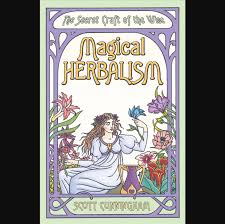
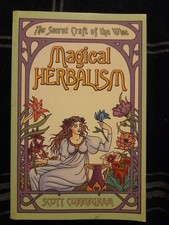
Magical Herbalism: The Secret Craft of the Wise is a fascinating and insightful exploration of the ancient relationship between herbs, healing, and magic. Scott Cunningham approaches the subject with warmth, clarity, and deep respect for nature, making the book accessible to both beginners and experienced practitioners of herbal and spiritual traditions. Rather than presenting herbalism as merely a collection of remedies or rituals, Cunningham weaves together history, folklore, spirituality, and practical knowledge into a complete guide that feels both educational and inspiring.
One of the greatest strengths of the book is the author’s ability to explain complex ideas in a simple and engaging manner. Cunningham introduces readers to the magical properties of herbs, their historical uses, and the ways different cultures have connected plants with healing, protection, love, purification, and spiritual growth. The writing is smooth and conversational, allowing readers to absorb the information without feeling overwhelmed. Even those with no prior knowledge of herbalism can easily follow along and develop an appreciation for the natural world and its symbolic meanings.
The book also stands out because of its balanced approach between practicality and mysticism. Cunningham does not simply discuss magical theory; he provides practical guidance on how herbs can be incorporated into daily life. Readers are introduced to herbal preparations, incense blends, sachets, oils, teas, and rituals, all explained in a step-by-step manner. These examples make the book feel hands-on and interactive, encouraging readers to experiment and build their own connection with herbs and nature.
Another remarkable aspect of Magical Herbalism is its strong emphasis on respect for the earth. Cunningham consistently reminds readers that herbs are not merely tools for magical practice, but living gifts from nature that deserve appreciation and mindful use. This spiritual connection to the natural world gives the book a peaceful and reflective tone, encouraging readers to slow down and observe the beauty and energy of plants around them.
The author’s passion for the subject is evident throughout the book. His knowledge of folklore, magical traditions, and herbal correspondences creates a rich reading experience filled with wisdom and curiosity. At the same time, the book avoids becoming overly academic or difficult to understand. Cunningham’s approachable style makes readers feel as though they are learning directly from a trusted mentor rather than reading a dense textbook.
Overall, Magical Herbalism: The Secret Craft of the Wise is an excellent resource for anyone interested in herbal traditions, natural spirituality, or the magical symbolism of plants. It is both informative and inspiring, offering readers a deeper understanding of the bond between humans and nature. Whether read for spiritual exploration, historical interest, or personal enrichment, the book leaves a lasting impression and serves as a timeless introduction to the world of magical herbalism.