Icelandic witchcraft is a unique and often overlooked branch of magical tradition, deeply rooted in the folklore, landscape, and history of Iceland itself. Unlike more widely known forms of witchcraft, Icelandic magic—sometimes called “Galdr”—draws from a blend of Norse paganism, Christian influences, and centuries-old folk practices. Its rituals and symbols are shaped by the harsh northern climate, the isolation of Icelandic communities, and a profound respect for the natural world.
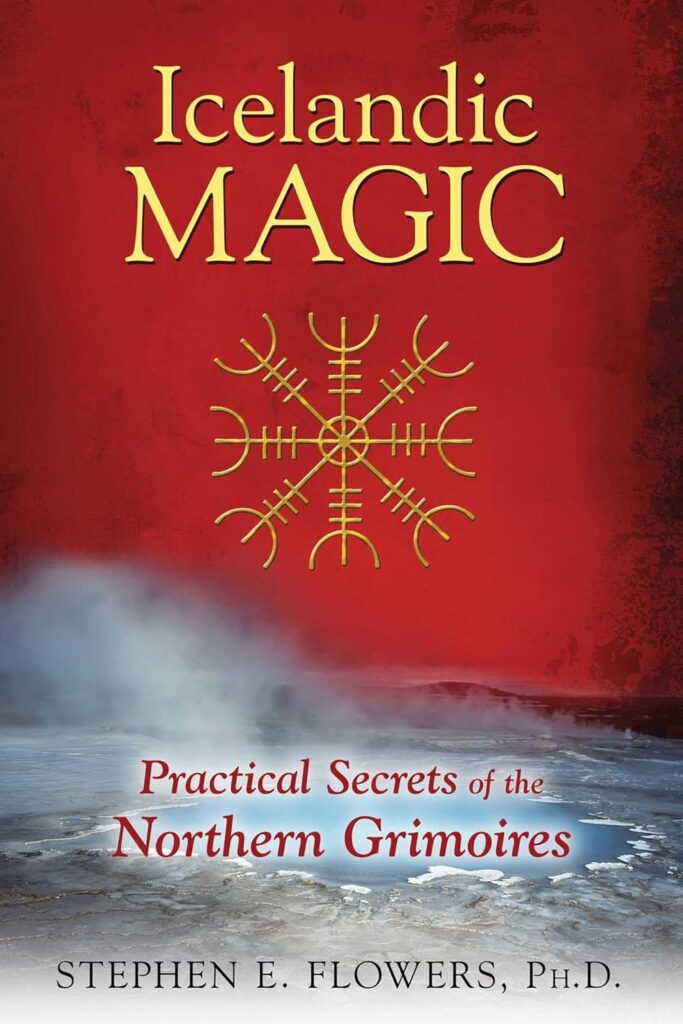
If you’re searching for a deep dive into this fascinating world, “Icelandic Magic: Practical Secrets of the Northern Grimoires” by Stephen Flowers stands out as an essential resource. This book is not just a collection of spells; it’s a window into the soul of Icelandic magical heritage.
One of the book’s greatest strengths is its remarkable historical depth. Flowers draws directly from the surviving Icelandic grimoires—rare magical books preserved in the National Library in Reykjavík. These grimoires, such as the Galdrabók, are among the few authentic sources of Northern European magic that survived centuries of religious suppression and cultural change. By translating and interpreting these texts, Flowers offers readers a rare glimpse into a tradition that has endured against the odds, making this book a treasure trove for anyone interested in the roots of European magic.
The book excels at presenting practical techniques and ritual templates, allowing readers to adapt authentic Icelandic magical practices for their own use. Flowers provides detailed instructions for working with magical staves, runes, and incantations, as well as guidance on crafting protective charms and invoking ancient spirits. The extensive catalog of spells and magical workings is especially valuable for practitioners looking for ready-made forms or inspiration for creating their own rituals. Whether you’re interested in protection, healing, or divination, you’ll find a wealth of material to explore and adapt.
Another highlight is the section on magical signs and symbols, including guidance on crafting unique sigils from the mythic names of Odin and Icelandic magical alphabets. These symbols, known as “galdrastafir,” are a hallmark of Icelandic magic, believed to channel specific energies and intentions. Flowers explains not only how to draw and use these signs, but also the cultural and mythological context behind them. This connection to the ancient runic tradition adds a rich layer of authenticity and depth, bridging the gap between historical scholarship and living practice.
The historical background provided in “Icelandic Magic” is both thorough and illuminating. Flowers explores the evolution of Icelandic magical practices from the Viking Age through the Christianization of Iceland, and into the early modern period when witch trials and persecution threatened to erase these traditions. He discusses the role of cunning folk, the influence of Lutheran clergy, and the ways in which Icelandic magic adapted to survive in a changing world. This context helps readers appreciate not only the spells themselves, but also the resilience and creativity of the people who preserved them.
However, it’s important to note that the book’s academic tone and dense historical detail may be challenging for beginners or those seeking a more accessible introduction to witchcraft. Some readers might find the material a bit overwhelming without prior background knowledge, as Flowers often assumes a certain familiarity with magical terminology and historical context. For those new to the subject, it may be helpful to supplement this book with more introductory texts on witchcraft or Norse mythology.
For advanced practitioners and serious students of witchcraft, “Icelandic Magic” is a must-read. Its wealth of information, practical guidance, and authentic source material make it an invaluable addition to any magical library. The book not only preserves the legacy of Icelandic magical traditions, but also invites modern readers to engage with them in meaningful and creative ways.
In summary, “Icelandic Magic: Practical Secrets of the Northern Grimoires” is a comprehensive and insightful guide for anyone fascinated by the mysteries of Northern European magic. While it may not be the easiest entry point for newcomers, its depth, authenticity, and practical applications make it a standout resource for both scholars and practitioners alike. If you’re ready to embark on a journey into the heart of Icelandic witchcraft, this book is an excellent place to begin—or to deepen—your magical path.