We would like to disclose that this website may contain affiliate links. This means that if you click on a product link and make a purchase, we may earn a commission. As an Amazon & eBay Partner Network Associate, we earn from qualifying purchases.
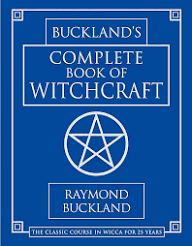
Buckland’s Complete Book of Witchcraft is widely regarded as one of the most influential and beginner-friendly guides to modern Wicca and witchcraft. Often referred to as “The Big Blue Book” because of its recognizable cover, it has served for decades as an essential introduction for those beginning their spiritual and magical journey. What makes this book especially valuable is its structured, lesson-based approach, which allows readers to progress gradually while building both knowledge and practical experience.
One of the book’s greatest strengths is its clarity and organization. Rather than overwhelming readers with abstract theories or advanced concepts too early, Raymond Buckland carefully introduces the foundations of witchcraft step by step. Each chapter functions like a lesson in a course, complete with explanations, exercises, illustrations, and practical assignments. This educational style makes the material approachable even for readers who have no previous experience with Wicca or Pagan spirituality.
The book begins by explaining the basic principles of witchcraft and introduces readers to the spiritual framework of Wicca. Buckland explores the importance of nature, personal responsibility, and the sacred balance between the physical and spiritual worlds. He presents witchcraft not as something dark or sensationalized, but as a deeply personal spiritual path rooted in respect for nature, self-awareness, and intentional living.
A major focus of the book is ritual practice, which forms the heart of many Wiccan traditions. Buckland carefully explains how to create sacred space, cast a ritual circle, and perform ceremonies safely and respectfully. These instructions are written in a detailed and practical manner, allowing beginners to follow along confidently. Readers learn how rituals are used to focus energy, honor the cycles of nature, and strengthen spiritual awareness.
The book provides extensive information about the Wheel of the Year, including the eight sabbats celebrated in Wicca. These seasonal festivals—such as Samhain, Beltane, Yule, and Lammas—are explored both spiritually and symbolically. Buckland explains how each sabbat reflects the natural cycles of life, death, rebirth, growth, and harvest. He also introduces esbats, rituals held during the phases of the moon, particularly the full moon. Through these teachings, readers are encouraged to develop a stronger connection with nature and the changing seasons.
Another important aspect of the book is its discussion of Wiccan ethics and beliefs. Buckland explains the Wiccan Rede, often summarized as “An it harm none, do what ye will,” which encourages practitioners to act responsibly and avoid causing harm. He also introduces the Threefold Law, the belief that the energy a person sends into the world—whether positive or negative—returns to them multiplied. These ethical teachings provide an important moral foundation and encourage readers to approach magic with maturity, mindfulness, and compassion.
Historical context is woven throughout the text, helping readers understand how modern witchcraft evolved. Buckland explores ancient Pagan traditions, folklore, and ceremonial practices while also discussing the development of modern Wicca during the twentieth century. Readers are introduced to different traditions, including Gardnerian, Alexandrian, eclectic, and solitary paths. This broad perspective helps demonstrate that witchcraft is not a single rigid system, but a diverse and evolving spiritual practice.
Spellwork is another major topic covered in detail. Buckland explains the principles behind magical practice, emphasizing the importance of intention, focus, timing, and personal energy. The book offers guidance on creating and performing spells for protection, prosperity, healing, love, and spiritual growth. Rather than presenting magic as instant or theatrical, Buckland encourages patience, discipline, and thoughtful preparation. Beginners are advised to begin with simple forms of spellwork, such as candle magic, visualization, or charm bags, before progressing to more advanced practices.
The book also introduces readers to divination, an important tool for spiritual insight and self-reflection. Methods such as tarot reading, rune casting, pendulum work, and scrying are explained in a practical and accessible way. Buckland encourages readers to develop intuition gradually through regular practice and observation. These sections are especially useful because they focus not only on technique, but also on building confidence and personal interpretation.
Herbalism and natural magic receive significant attention as well. Buckland explains the magical and medicinal properties associated with various herbs, flowers, oils, and resins. Readers learn how herbs can be used in teas, incense, sachets, cleansing rituals, and protective charms. Importantly, the book stresses safety, respect for nature, and careful research when working with plants. This emphasis on responsibility helps reinforce the idea that witchcraft should be practiced thoughtfully and ethically.
Meditation, psychic development, and dreamwork are explored as tools for spiritual growth and self-discovery. Buckland provides exercises designed to strengthen intuition, awareness, and sensitivity to energy. Guided visualization, breathwork, dream journaling, and concentration exercises are presented as practical ways to deepen spiritual understanding. These sections encourage readers to develop patience and consistency, recognizing that psychic and intuitive abilities grow over time through regular practice.
Another valuable feature of the book is its explanation of covens and solitary practice. Buckland discusses the structure and purpose of covens, including group rituals, shared learning, and mentorship. At the same time, he acknowledges that many people choose a solitary path and provides guidance for creating a fulfilling personal practice at home. This balanced approach allows readers to explore what works best for their personality, lifestyle, and spiritual goals.
The tools of witchcraft are also described in detail. Readers are introduced to ritual objects such as the athame, wand, chalice, pentacle, and cauldron, along with their symbolic meanings and practical uses. Buckland explains that these tools are not about wealth or appearance, but about symbolism, focus, and personal connection. He encourages creativity and reminds readers that meaningful practice does not require expensive equipment.
What truly sets this book apart is its encouraging and educational tone. Buckland approaches the subject with sincerity, respect, and a genuine desire to teach. Rather than promoting fear, elitism, or rigid dogma, he encourages readers to learn gradually, question thoughtfully, and develop their own spiritual understanding. The exercises and lessons help transform abstract ideas into lived experiences, making the book feel interactive and immersive rather than purely theoretical.
For beginners, Buckland’s Complete Book of Witchcraft remains one of the most comprehensive and accessible introductions to modern witchcraft available today. It offers far more than information alone—it provides a complete foundation for spiritual exploration, self-discipline, and personal growth. Whether someone is interested in ritual practice, herbalism, divination, meditation, or the history of Wicca, this book serves as both a guidebook and a companion for the lifelong journey of learning and self-discovery within the Craft.