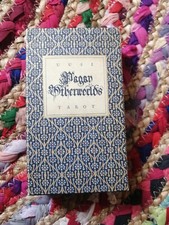
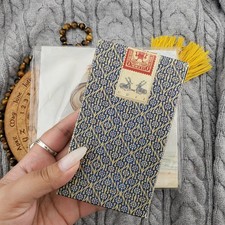
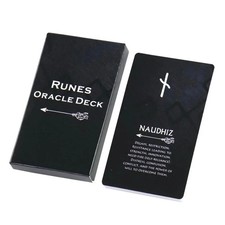
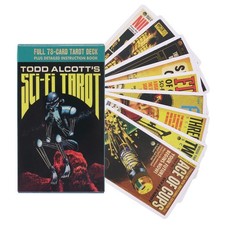
Tarot has long held a significant place within modern Paganism and Witchcraft, serving as both a tool for divination and a means of spiritual exploration. Although tarot cards were originally developed in 15th-century Europe as playing cards, they gradually evolved into a system of symbolism and mystical interpretation. Today, many Pagans and witches use tarot to gain insight into personal challenges, spiritual growth, and the energies influencing their lives.
A standard tarot deck consists of 78 cards divided into the Major Arcana and Minor Arcana. The Major Arcana represents major life lessons, spiritual themes, and transformative experiences, while the Minor Arcana reflects everyday situations and influences. Each card carries layers of symbolism that can be interpreted in relation to a question, circumstance, or spiritual journey.
In Pagan traditions, tarot is often viewed as a bridge between the conscious and subconscious mind. Rather than predicting an unchangeable future, many practitioners believe tarot reveals possibilities, hidden influences, and opportunities for personal empowerment. Readings can help individuals reflect on their choices and better understand their connection to the natural and spiritual worlds.
Within Witchcraft, tarot is commonly incorporated into magical and ritual practices. Witches may use specific cards during spellwork to focus intention, meditate on particular energies, or invoke qualities represented by a card. For example, The Magician may symbolize manifestation and personal power, while The High Priestess is often associated with intuition, mystery, and inner wisdom.
Many modern witches and Pagans also regard tarot as a tool for communicating with spiritual guides, deities, or ancestral energies. Through regular practice, tarot can become a method of deepening spiritual awareness and strengthening intuition. The cards are often consecrated or blessed before use, reflecting the sacred role they play in a practitioner’s spiritual path.
While tarot is not a required element of Paganism or Witchcraft, it remains one of the most widely used and respected divination systems within these communities. Its rich symbolism, versatility, and ability to inspire self-reflection have ensured its enduring popularity among those seeking spiritual insight and personal growth.