The Celestial Alignment: Ra-Horakhty’s Rebirth and Orion’s Message. Throughout history, people have looked to the sky for meaning, finding guidance in the stars and the sun’s cycles. Sometimes, the patterns of the cosmos and the lives of people seem to connect, creating moments of special significance. Today marks one of those moments—a meeting point of ancient tradition and celestial events.
Along the Nile, time is measured not just by the seasons, but by the sacred calendar of ancient Egypt. This day is notable for three reasons: it is the Egyptian New Year, the start of the Akhet season, and the first day of the Tekh month. Each event is important on its own, but together, they symbolize renewal and transformation.
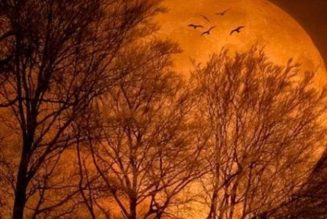
As the sun rises, golden light fills the horizon, representing the rebirth of Ra-Horakhty. This deity combines the sun god Ra and the sky god Horus, and stands for the endless cycle of day and night. For the Egyptians, Ra-Horakhty was more than a god—he was a symbol of balance, showing that every period of darkness is followed by light. The sunrise reminded them of the ongoing dance between shadow and illumination.
With Akhet’s arrival, the Nile enters its most important phase. The river, filled by distant rains, overflows and brings new life to the land. This flooding is not just a natural event—it is seen as a sacred renewal, promising that the fields will be nourished and the people supported. Akhet is a time of hope, as farmers prepare to plant and communities come together to honor the river’s vital role.
The month of Tekh also begins, dedicated to Thoth, the god of wisdom, writing, and the moon. Thoth is respected as the keeper of knowledge and the guardian of time, connecting the divine and the mortal. The start of Tekh is a time for reflection—a chance to think about life’s mysteries, seek understanding, and honor the unseen forces shaping the world. In ancient Egypt, this was a period for scholars and seekers to honor Thoth and ask for insight as the new year began.
The night sky adds its own message. The heliacal rising of Sirius—called Sopdet by the Egyptians—shines brightly just before sunrise. This event was eagerly awaited, as it signaled the coming flood of the Nile and was seen as a sign from the gods. The appearance of Sirius was both an astronomical and spiritual marker, connecting people to the universe and the mysteries of the divine order.
In Egypt’s temples and courts, important rituals take place. Priests, dressed in ceremonial clothing, perform sacred rites for Ra-Horakhty, seeking blessings for the year ahead. Offerings are made, hymns are sung, and incense fills the air, creating a sense of reverence. The community also takes part, reaffirming their commitment to ma’at—the principle of truth, balance, and order. Through these actions, people align themselves with the rhythms of the cosmos, aiming to keep harmony in both the visible and invisible worlds.
At this time of celestial alignment, a lasting lesson can be found. It is a lesson about cycles—about endings and beginnings, balance and renewal, and our place in the universe. As Ra-Horakhty rises and Sirius appears in the sky, there is inspiration to seek wisdom, accept change, and recognize the connections between all things. The journey of the year begins, guided by the light of the gods and the eternal rhythms of the cosmos.