Beginning a journey into witchcraft often includes forming connections with deities, spirits, or other entities. This experience is highly personal and can be very fulfilling. It is helpful to approach this process with patience, respect, and an open mind. The following suggestions may support you as you build these relationships, especially if you are new to this path.
Meditation serves as a helpful foundation. Before reaching out to deities or spirits, it can be beneficial to practice quieting your mind. Meditation allows you to notice your thoughts, recognize distractions, and gently release mental clutter. For those just starting, brief sessions of five to ten minutes—focused on your breath or a simple phrase—are a good place to begin. Over time, you may wish to extend these sessions. Guided meditations, available in books or online, can also be useful. The aim is to create a calm and receptive state of mind, which can make it easier to notice subtle energies or messages. This mental discipline is valuable not only for spiritual contact, but also for grounding yourself before rituals or spellwork.
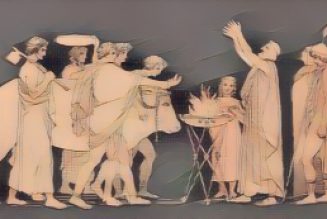
Offering gifts is a traditional and meaningful way to show respect to deities and spirits. This gesture expresses gratitude and a desire to build a reciprocal relationship. Offerings may be physical, such as food, drink, flowers, incense, candles, or handmade items. For instance, you might leave a small bowl of milk for a household spirit or light a candle for a deity. Non-physical offerings, like dedicating a song, poem, or a portion of your daily energy through focused intention, are also meaningful. Sincerity and consistency are important. You might find it helpful to set aside a regular time for offerings and to observe any preferences the entity may have. Over time, you may notice subtle signs of appreciation or presence in response.
Learning about the personality and preferences of the entity you wish to connect with can be very helpful. Each deity or spirit has unique qualities, symbols, and preferences. You may wish to read reputable books, articles, or mythological sources to learn more. Take note of their associated colors, elements, animals, plants, and symbols. For example, if you feel drawn to a goddess linked to the moon, you might use silver, white, or blue in your offerings and rituals. Understanding their stories, traditional offerings, and any taboos can help you shape your practice in a meaningful way. Keeping a journal to record your research and personal experiences may also be beneficial.
Regular communication can help build a relationship. You might choose to speak to the entity as you would to a trusted friend or mentor—aloud, in your mind, or through writing. You can ask questions, share your thoughts, and express your intentions. If you do not receive an immediate or clear response, it is natural not to be discouraged. Communication with spiritual beings is often subtle, appearing as feelings, dreams, coincidences, or sudden insights. Consistency and sincerity are more important than perfection. Over time, you may develop your own way of sensing their presence or receiving guidance.
Establishing boundaries is an important part of spiritual work, especially when interacting with nature spirits, ancestors, ghosts, or other entities. It is entirely appropriate to decide when and how you wish to interact. For example, you might prefer contact only during ritual or meditation, or you may not wish to be visited in your dreams. If an entity feels intrusive or makes you uncomfortable, you can politely and firmly ask them to respect your space. Offering a small token, such as bay leaves or a libation of water, may help reinforce your request. Healthy boundaries encourage mutual respect and help ensure your spiritual practice remains safe and empowering.
By approaching these practices with patience, curiosity, and respect, you may gradually deepen your understanding and connection with the spiritual world. Each practitioner’s journey is unique, so it is perfectly acceptable to explore, adapt, and grow at your own pace.