
Author: A Solitary Pagan
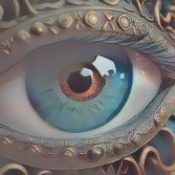

Diagnosis of the Evil Eye
YOU WILL NEEDOlive oilBowl of waterMETHOD✤ Drip three drops of olive oil on the surface ofthe water.✤ Watch what happens.✤ If the drops remain distinct there is no evil eye.✤ If they run together there is.✤ Dispose of the oil and water safely.✤ There are many ways of removing the evil eye.
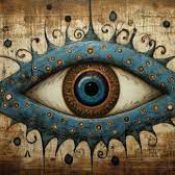

THE EVIL EYE
The evil eye is a belief that dates back thousands of years and is present in over a third of the world’s cultures. Its influence remains significant today, especially in Mediterranean regions, the Middle East, South Asia, and Celtic countries. The core idea is that envy or ill will—whether intentional or not—can bring about harm, misfortune, or illness simply through a look or a compliment. The e...
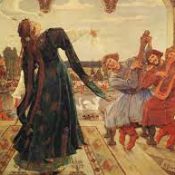

SHAPE SHIFTING
Spells designed to bring about a difference inbodily appearance in order to dissolvemischievous enchantments by the fairy folk orfrequenters of the lower world were legion inmost cultures. In Celtic lore for instance, duringthe process of dissolving the enchantment,having cast a magic circle, the rescuer had tokeep repeating the name of the enchantedperson to remind them of who they truly were.Tra...


Winter’s End
YOU WILL NEEDWhite candleCorn dollyFireproof receptacleEither the sticky burrs from a cleavers plant(which has a cleansing effect) or several pieces ofpaper on which you have written your irritationsMETHOD✤ Light the candle.✤ Cup the corn dolly in your hands and reviewthe previous year, particularly winter.✤ Attach as many of the sticky burrs as you canto the corn dolly, making each one represents...


Making a Corn Dolly
Making a corn dolly is an ancient tradition used in harvest rituals to honor the spirit of the grain and bring blessings for the coming year. Corn dollies are simple figures made from the last sheaf of corn, wheat, or other grain. They can be used as offerings, decorations, or for seasonal celebrations like Lammas, Mabon, or Saturnalia. Before you start, gather your materials. You will need: Tip: ...
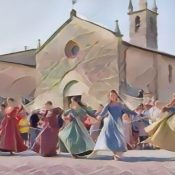

The Blending of Pagan and Christian Festivals
Ways of dealing with problems within the community, which used a blend of Christian and pagan rituals, was partly a product of the interaction between Christianity and paganism. Pagan belief demanded rituals that appeased their gods while Christian thought required that there was a focus on only one God. This meant that such rituals belonging to the Wheel of the Year had to be accommodated into a ...
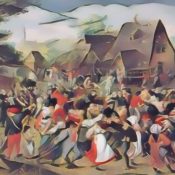

Folklorist Belief
FOLKLORISTS MAY BELIEVE THAT the first festivals arose because of the anxieties of early peoples who did not understand the forces of nature and wished to placate them. The people noted the times and seasons when food was plentiful or not and reacted accordingly. Harvest and Thanksgiving festivals, for instance, are a relic from the times when agriculture was the primary livelihood for the majorit...


Folklore
The majority of people who are new to spell working may at times acknowledge that for them common sense backed up by practical action is normally more productive than theoretical or mystical thinking. In magical working, as in everyday life, when we have to handle a wide range of circumstances, common sense in dealing with them will normally produce the best results. However, when we are confronte...
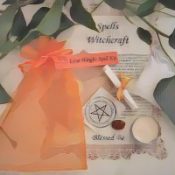

Weight loss knot spell:
Cut a piece of yellow ribbon that’s the length of wrapping it around your waist once. Say, as you tie your knots: “By knot of 1, my overeating is done. By knot of 2, I exercise too. By knot of 3, I eat fat free. By knot of 4, I hydrate more. By knot of 5, a diet I contrive. By knot of 6, my thyroid I fix. By knot of 7, this week I lose 7. By knot of 8, weight loss is my fate. By knot of 9, su...

Death and Resurrection in Pluto
Pluto, in both astrology and mythology, is often linked to the cycles of death and rebirth, the mysteries of the unknown, and the unfolding of destiny. It is seen as a symbol of transformation, working quietly beneath the surface to guide people through endings and new beginnings. Pluto is accompanied by several moons, each with its own mythological story and symbolic meaning, especially related t...
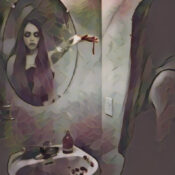

What is it about mirrors that can fascinate and frighten us?
Throughout history, mirrors have held a significant place in folklore and superstition. For thousands of years, people have attributed mystical properties to mirrors, and many traditions and beliefs have developed around them. In ancient times, mirrors were used for scrying—a practice where mystics attempted to see distant places, people, or even the future through reflective surfaces. The Romans,...
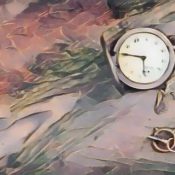

FOLKLORE ON A Stopped Clock
Lets examine the curious and sometimes sinister superstitions that have grown up around clocks over the years, and related how a stopped clock was often related to a death in many folk beliefs. Now this widespread superstition comes in two main variants, firstly there is the common tradition that a clock is stopped when some one dies. These days most people are familiar with it from a scene in the...