
Author: A Solitary Pagan
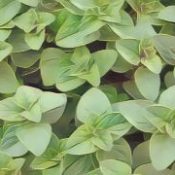

Herbal Folklore & Old Fashioned Tips, Oregano.
Herbal Folklore & Old Fashioned Tips, Oregano.Used for “sour humours” that plagued old farmers. Also used for scorpion and spider bites.
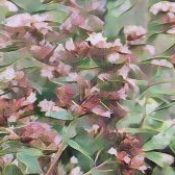

Herbal Folklore & Old Fashioned Tips, Marjoram
Herbal Folklore & Old Fashioned Tips, Marjoram. The Greeks believed it could revive the spirits of anyone who inhaled it. At weddings wreaths and garlands were made of marjoram.
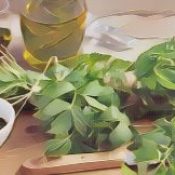

Herbal Folklore & Old Fashioned Tips, Lovage
Herbal Folklore & Old Fashioned Tips, Lovage. Chewing on a piece of the dried root will keep you awake. Lovage warms a cold stomach and help digestion. Added to bathwater, it was believed to relieve skin problems.
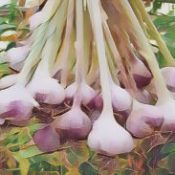

Herbal Folklore & Old Fashioned Tips, Garlic
Herbal Folklore & Old Fashioned Tips, Garlic. It was thought to give strength and courage. Aristotle noted garlic’s use as a guard against the fear of water. It’s also been widely used against evil powers.
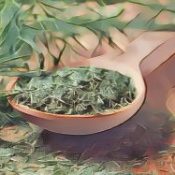

Herbal Folklore & Old Fashioned Tips, Dill
Herbal Folklore & Old Fashioned Tips, Dill. Romans made wreaths and garlands out of dill. Dill keeps evil away.
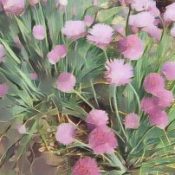

Herbal Folklore & Old Fashioned Tips, Chives
Herbal Folklore & Old Fashioned Tips, Chives. Bunches of chives hung in your home were used to drive away diseases and evil.
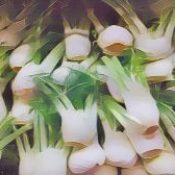

Herbal Folklore & Old Fashioned Tips, Fennel
Herbal Folklore & Old Fashioned Tips, Fennel. Bunches of fennel were used to drive off evil. It was used in love potions and as an appetite suppressant.
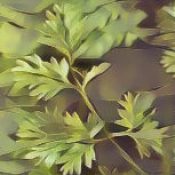

Herbal Folklore & Old Fashioned Tips, Chervil
Herbal Folklore & Old Fashioned Tips, Chervil. Eating a whole plant would cure hiccups; chervil was said to warm old and cold stomachs.
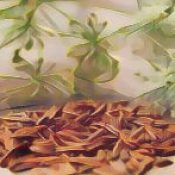

Herbal Folklore & Old Fashioned Tips Caraway
Herbal Folklore & Old Fashioned Tips Caraway Caraway was used to scent perfumes and soaps. The Greeks used it for upset stomachs.


Herbal Folklore & Old Fashioned Tips Borage
Herbal Folklore & Old Fashioned Tips BorageThe Romans believed the herb to be an antidepressant, and ancient Celtic warriors took it for courage.
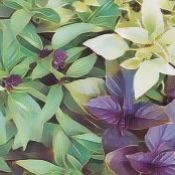

Herbal Folklore & Old Fashioned Tips Basil
Herbal Folklore & Old Fashioned Tips Basil Precious to lovers in Italy and considered sacred in India. Many years ago, Italian men wore a sprig of basil to indicate their intended marriage. A cup of basil tea after dinner helps digestion. Ease a headache by drinking tomato juice blended with fresh basil.
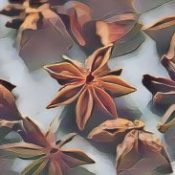

Herbal Folklore & Old Fashioned Tips Anise
Herbal Folklore & Old Fashioned Tips Anise Romans paid taxes with anise, and it was used in cough drops.