
Author: A Solitary Pagan

Lughnassadh
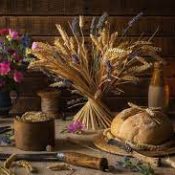
Time: Sunset 31 July-sunset 2 August (31 January-2 February in the southern hemisphere) Focus: Willing sacrifice for the greater good, natural justice and karma, trusting the cosmos to provide by giving without seeking immediate return; also spiritual transformation, renewal of the life force by absorbing the powers of the spirit of the corn through food and drink. This is the festival of the corn...

The Love Box
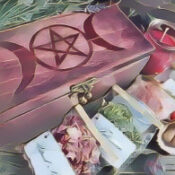
The Love Box is a traditional spell that aims to attract love by using meaningful materials and thoughtful timing. Many find that performing this spell on the first Friday after the new moon, a time linked to Venus—the planet of love—can enhance its effect. To prepare, you may wish to gather a few specific items: a small, heart-shaped box for your intentions; love-drawing incense, which often cont...

Love Drawing Potion
The Love Drawing Potion is a traditional witchcraft ritual intended to attract affection and strengthen romantic connections. Each ingredient is chosen for its symbolic meaning related to love, attraction, and harmony. The way the ritual is performed is just as important as the ingredients, with a focus on intention and respect for the process. To prepare, gather these items: a glass saucepan, dov...


The Copper Love Charm
The Copper Love Charm is a traditional ritual intended to attract love and strengthen romantic bonds. This practice uses copper, Venus, and the color green, all of which are commonly linked to love, harmony, and attraction in various magical traditions. For those new to witchcraft, this ritual provides a clear, step-by-step approach to spellwork, focusing on intention, repetition, and symbolic act...

Herbal Love Spell
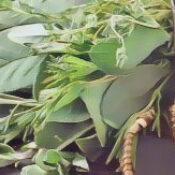
This Herbal Love Spell is a simple ritual intended to encourage new romance and support affection in a natural way. Each part of the spell has a specific meaning and purpose, working together to help focus your intentions. The following items are needed: a small basil plant, some earth or potting soil, one rose quartz crystal, and a red flower pot. Basil is often linked to love and attraction. Ros...
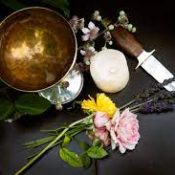

SELF-DEDICATION LITHA RITUAL
For hundreds of years’ people or groups have been performing dedication rituals to their Gods and Goddesses, this was done to declare themselves to the divine, it solidifies the relationship you have and joins your energies together in a harmonious act of love and light. This ritual is a self-dedication for those of us who are solitary practitioners, meaning we practice our craft alone rather than...
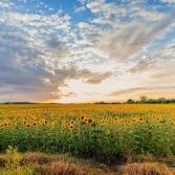

Litha History – Celebrating the Summer Solstice
An Ancient Solar Celebration Nearly every agricultural society has marked the high point of summer in some way, shape or form. On this date–usually around June 21 or 22 (or December 21/22 in the southern hemisphere)–the sun reaches its zenith in the sky. It is the longest day of the year, and the point at which the sun seems to just hang there without moving – in fact, the word “solstice” is from ...
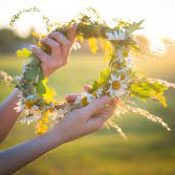

Summer Solstice—Midsummer’s Day
Summer Solstice—Midsummer’s Day, the longest day of the year, when the sun reaches its peak of power, and begins to decline. We mark this day as the beginning of summer, of the time of ripeness and harvesting. Yet is also a time of grief, of knowing that the flower must fade for the fruit to set. This year, the solstice falls in the midst of enormous grief—for those who have died in the pandemic, ...

Blessings on Summer Solstice
This was when the whole world measured time This is when the light would turn around This is where the past would come undone and the spinning earth will mark a new beginning Let’s go back in time, to when it all began To the breaking of new dawns Where moments bright with fire, would light the chanting song Where pagans worshipped sun, and danced among the trees Wore strange masks of covered stra...
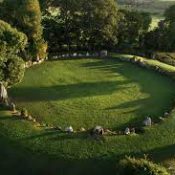

Summer Solstice Grange Stone Circle
The importance of Summer Solstice ties back to ancient Celtic society’s reliance on agriculture and crops. The reliance and appreciation for the sun is what brought people closer to nature and furthered the understanding of the environment. Through suffering and hardships during the winter months, the Solstice became an important celebration for success and ease during the summer. The celebration ...

Litha
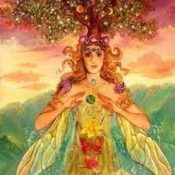
(NORTHERN HEMISPHERE) Date: June 20th – 22nd Other Names: Alban Heruin (Druidic), Summer Solstice Pronunciations: lee-thuh, lii-thuh Although the name Litha is not well attested, it may come from Saxon tradition — the opposite of Yule. On this longest day of the year, light and life are abundant. At mid-summer, the Sun God has reached the moment of his greatest strength. Seated on his greenwood th...


Summer Solstice Blessings
In Latin the word ‘solstice’ literally translates to ‘the sun stands still’. In the Northern hemisphere we will enjoy over 16 hours of daylight – and thousands will gather at sacred sites around the world to witness the sun rising on this auspicious day. In the UK this will happen in just a few hours, at around 4.40am. It may be evening still in many parts of the world. Stone circles such as Stone...