
Author: A Solitary Pagan
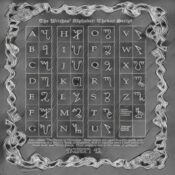

The Theban Alphabet
The Theban alphabet otherwise known as the witch’s alphabet or runes of Honorious is believed to have emerged in the medieval period when cabbalistic practices were prominent among European magicians. Theban was first published in a book called the Polygraphia in 1518. This book was written by Johannes Trithemius. Before the first book was published, there were other evidences of the Theban A...
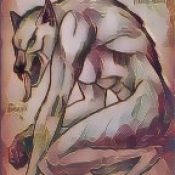

Lycanthropy
The transformation of a human being into a wolf. There are two types of lycanthropy: a mania in which a person imagines himself to be a wolf and exhibits a craving for blood; and the magical-ecstatic transformation of a person into a werewolf (“man-wolf,” from the Old English werewolves , man, plus wolf), usually accomplished with ointments or magical charm . Werewolf lore has existed since antiqu...
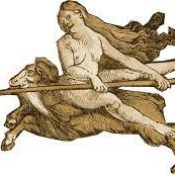

Witchcraft & Flying
A belief during the witch hunts, that the Devil, his demons and witches could transport themselves and others through the air. Flying (also called transvection) was done with the aid of a broom, fork or shovel, according to lore; some witches were said to ride demons who were transformed into animals such as goats, cows, horses and wolves. The Devil had the power to pick people up and whisk them t...

Pagan Library
Please Click books for information and Pricing

Calling the Quarters
Also referred to as “drawing the quarters” this is a way of acknowledging the four cardinal directions and their Elemental associations, as well as the chosen deities of the coven or solitary Witch. In a coven, either the High Priestess, the High Priest, or another coven member will walk around the circle, stopping in each cardinal direction to invoke the presence of its associated Element and, if...

References to Witchcraft in the Bible
The best-known Biblical text referring to witchcraft is verse 18 in the twenty-second chapter of Exodus, which states: “Thou shalt not suffer a witch to live.” It is printed on the title-page of The Discovery of Witches by Matthew Hopkins, the notorious Witch-Finder General. His book was published in 1 647, “For the Benefit of the Whole Kingdome”. This supposed portion of the word of God has been ...

Flying Ointment
This greasy, trance-inducing substance was traditionally made of hallucinogenic (and often fatal) herbs that had been boiled in pig fat and then strained. It was called “green salve” or “witches’ ointment” and it some of the stock ingredients (solinicaeds) caused a “flying” sensation as the hallucination began — hence the popular image of the flying witch. Great care had to be taken in preparing t...

The Black Fast
This ritual was one of fasting to aid concentration, for some particular purpose. It was alleged to have been used by Mabel Brigge, who was executed for witchcraft at York in 1 538. The fast involved abstaining from meat, milk, and all food made with milk. During the period of the fast, the witch concentrated all her mental energy and will-power upon some particular object. This was usually to cau...

Traditional Witchcraft
Traditional witchcraft is an umbrella term that includes many traditions. Essentially traditional witches are practitioners of forms of witchcraft that pre-date Wicca and new age practices. Some of these traditions may be passed down as family traditions, whilst others are cultural, where witches follow the traditions of their own or a specific culture. Traditional witchcraft is based on the tradi...

Some Basic Beliefs of Witches, Part Two
Between earthly incarnations, witches believe the soul rests in the Land of Faery, a pagan paradise like the Celtic Tir-Nan-Og, the Landof the Young. Many references to this pagan otherworld can be found in British and Celtic legend. It is a very different place from the Christian heaven, involving no harps, haloes nor golden gates, but a country like the old dreams of Arcady. It is conceived of a...

Guazzo, Francesco-Maria (17th century)
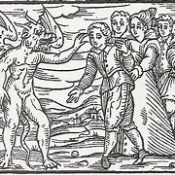
Guazzo, Francesco-Maria (17th century) Italian friar who became well known as a demonologist and opponent of witches. Francesco-Maria Guazzo is best known as the author of Compendium Maleficarum (Handbook of Witches), a leading inquisitor’s guide. Little is known about Guazzo’s life. He joined the Brethren of St. Ambrose ad Nemus and St. Barnabas in Milan. He wrote the Compendium in response to a ...