
Author: A Solitary Pagan


Starting the Day the Hedgewitch Way
Starting Your Day the Hedgewitch Way. To begin your journey into Hedgewitchcraft, it’s beneficial to establish a mindful morning ritual. Start each day by reading a daily affirmation. Today, focus on the element of wind, often associated with the energy of Spirit in many traditions. Wind symbolizes movement, change, and the invisible forces that connect everything. By attuning yourself to th...

The Hedge Craft – Connecting to the Upperworld
The Hedge Craft is a spiritual practice that helps us connect with different realms of existence, including the Upperworld. In Celtic tradition, the World Tree, sometimes called the sacred bile, is seen as a bridge between these realms. The ancestors are often associated with the Underworld, humans live in the Middleworld, and the gods are believed to dwell in the Upperworld. However, these bounda...

The Hedge – Boundaries Between the Worlds
In many traditions of Witchcraft, Wicca, and Druidry, boundaries—such as stone circles or hedges—are seen as dividing lines between our world and the Otherworld. It is widely recognized that there are beings who exist separately from humans, yet live alongside us in parallel realms. These beings are known by many names, including the Fair Folk, Faeries, the Fey Folk, The Good Folk, the Tuatha de D...
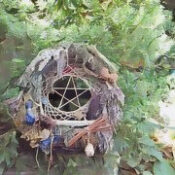

The Hedge – The World of the Hedge Craft
The Hedge – The World of the Hedge Craft. The Hedge Druid’s Craft is a practice that draws inspiration from nature. It combines traditional folk customs, history, and mythology with the natural world. The goal is to work in harmony with nature’s forces. Practitioners seek wisdom from plants, animals, and the weather, recognizing how these elements influence daily life. This wisdom can be used to b...

Hedgewitch Draining and Irrigating Your Mental Garden Release
In earlier discussions, the importance of nurturing the mind with the right influences—such as primal language—was highlighted as a way to encourage growth and transformation. However, just as a garden needs proper drainage and irrigation, our desires and intentions also benefit from a process of letting go and renewal. Without the ability to release, growth can become limited. Holding on to old h...

Hedgewitch Your Personal Primal Language
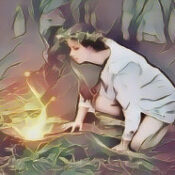
The idea that thoughts, words, and actions can shape reality—often called the law of attraction and release—has a long history in both ancient and modern traditions. This concept has been practiced in many forms, especially within magickal and spiritual communities. While the principle itself is well known, it is often helpful to consider how personalizing this process can make it more effective. ...

The Hedge Craft – OAK (Quercus robur)
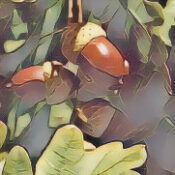
The Hedge Craft – Oak, also known as Quercus robur. Oak, or Quercus robur, belongs to the beech family (Fagaceae). The parts most often used are the bark, leaves, acorns, and galls—sometimes called “oak apples,” which are formed by gall wasps on the leaves or acorns. Oak trees thrive in hedgerows, woods, and parkland, and can tolerate moist or even poor soil. They often interbreed with other oaks,...

The Hedge – Ritual to Enter the World of the Hedge Witches Craft
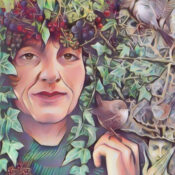
This rite can be used to dedicate yourself to The Hedge Witches Craft, to walking between the worlds. If you can, begin your work by standing in or near a hedgerow itself, looking away from civilization. If this is not possible, you can create a hedgerow by standing between two plants. Many potted trees will do well indoors, so you can research their properties and see what kind would be suited to...

Hedgewitch: Dollars and Cents Aren’t Always Required
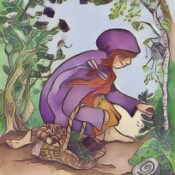
When starting out in witchcraft, it is natural to wonder what resources are necessary. Many people believe that practicing magic or following a spiritual path requires spending money on special tools, rare ingredients, or elaborate altars. In reality, this is not always true—especially for those interested in hedgewitchery or similar traditions that value practicality and resourcefulness. Consider...


The Hedge – Boundaries and Walking Between the Worlds
In many spiritual traditions, the word “hedge” describes a path that is not limited to one tradition, group, or strict set of beliefs. Instead, it refers to an independent and flexible approach, where people can explore different sources and practices. This way, individuals can learn and grow on their own terms, without needing to join a specific group or follow a single doctrine. In earth-based s...

Hedgewitch: A Gateway to the Universe
Life can be viewed as a fertile patch of ground, ready to nurture personal growth and potential. It may be helpful to reflect on what one wishes to cultivate in this space—such as success, good health, financial stability, or fulfilling relationships. Each moment presents an opportunity to foster these aspirations. Whether the goal is to develop a business, improve well-being, form meaningful conn...

Personal Empowerment for the Hedgewitch
The Hedgewitch guide is organized into fourteen segments, each called a “night,” as these are typically the times set aside for the rituals. Each day begins in the morning by reading an affirmation and focusing on a specific theme. For instance, the first night centers on the element of wind, which is associated with Spirit. To begin, find a quiet moment to close your eyes, calm your thoughts, and...