
Author: A Solitary Pagan
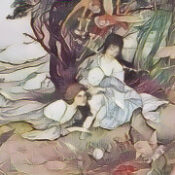

The Hedge – The Lowerworld (Annwn)
The Hedge – The Lowerworld, also known as Annwn, is a foundational concept in many branches of witchcraft and druidic practice. Annwn, in the Welsh tradition, translates as “in-world” or “the very deep place.” This term refers not only to a physical or spiritual location, but also to a profound state of being—one that is deeply rooted in the mysteries of existence and the cycles of life, death, an...

The Hedge – The Three Worlds and the World Tree
In the Hedge Druid’s Craft, the World Tree is a key symbol. It represents how the universe is structured and how all life is connected. The World Tree is more than just a metaphor; it is seen as a living axis that links different realms of existence. These realms are the Lowerworld, the Middleworld, and the Upperworld. Each realm has its own qualities, spirits, and lessons for those who explore th...

Hedgewitch The Magickal Garden of Your Mind
Manifestation, especially in witchcraft and magick, is a process with many layers. At its heart, it means clearly stating what you want, picturing the result, and feeling positive emotions about your goal. This is not just wishful thinking. Instead, it is about aligning your thoughts, feelings, and actions with your intentions. The first step is to be specific about what you want. This goes beyond...

The Hedge Craft – The Celestial
In Hedge Druidry, the sun, moon, and stars each play a significant role. The sun’s cycles guide us through the year, marking agricultural festivals, solstices, and equinoxes. The earth’s orbit around the sun determines our year, while its tilt creates the seasons. Observing where the sun rises and sets in your local area can help you connect these cosmic events to your everyday surroundings. For e...

Totem Representations
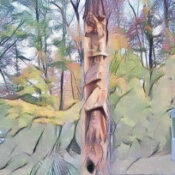
In HedgeWitchcraft, totem representations are used as symbolic guides and energetic allies. Many practitioners choose to collect images or small figurines of these totems for their personal altar. These items can help focus intention and foster a deeper connection to the natural world. If the totems presented here do not resonate with you, it is entirely appropriate to select others that better re...

Winter Solstice Rites and Rituals for a Hedgewitch
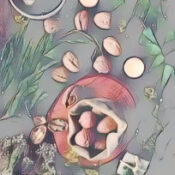
The Winter Solstice, also called Yule, is the longest night and the shortest day of the year. For many who practice witchcraft, especially those on a hedgewitch path, this time is an opportunity to reflect on the cycles of darkness and light, rest and renewal, and the wisdom found in the earth during winter. One way to connect with the energy of the Winter Solstice is through an all-night vigil. T...

The Hedge Craft – Meadowsweet (Filipendula ulmaria)
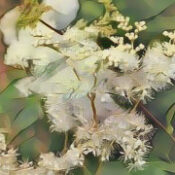
Meadowsweet, or Filipendula ulmaria, is a well-regarded herb in both traditional herbalism and witchcraft. Its delicate, creamy-white flowers have been valued for centuries, not only for their appearance but also for their notable medicinal and magical qualities. In herbalism, Meadowsweet is recognized for its analgesic, antispasmodic, anti-inflammatory, and anti-rheumatic properties. These qualit...

The Hedge – The Ancestors
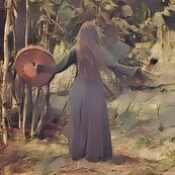
Beginning your journey into witchcraft is a personal and transformative process. Many people are drawn to this path out of curiosity, a desire for connection, or a wish to understand the mysteries of life and their own place in the world. Witchcraft is not a single, fixed tradition. Instead, it is a rich tapestry of beliefs, practices, and customs that have developed over centuries and across many...

Hedgewitch: Celebrating Your Personal Environment
The hedgewitch path is based on respecting your unique surroundings and personal experiences. Unlike more structured traditions, hedgewitchery invites you to observe and celebrate the cycles of nature as they appear in your own environment, rather than following a universal calendar or fixed rituals. This approach allows you to shape your own wheel of the year, adapting your practices to what feel...

The Hedge – Hedge Riding
The Hedge – Hedge Riding The Hedge, also known as Hedge Riding, is an important concept in witchcraft. Historically, witches called “Hedge Riders” worked at the boundary between everyday life and the wild, natural world. They connected with the spirits that lived in these wild places. Hedge Riding is about finding a balance between our modern, civilized lives and the world of nature. This idea als...

Hedgewitch Primal Language Exercise
In witchcraft, and particularly within the Hedgewitch tradition, language holds significant power. Words are not simply sounds; they serve as spells, intentions, and energetic patterns that can influence reality. Each thought and spoken word sends a message to the universe, creating subtle effects in the world around us. It is common for our minds to be filled with constant internal dialogue—worri...

Hedgewitch Shifting with Nature
Manifestation, especially in witchcraft and magick, is a process with many layers. At its heart, it means clearly stating what you want, picturing the result, and feeling positive emotions about your goal. This is not just wishful thinking. Instead, it is about aligning your thoughts, feelings, and actions with your intentions. The first step is to be specific about what you want. This goes beyond...