
Author: A Solitary Pagan


Deities For Power
Throughout history, people have sought the guidance and favor of deities to empower their lives, seeking strength, inspiration, and the ability to overcome challenges. In many traditions, certain deities are especially revered for their association with power, success, energy, and personal growth. By understanding their stories and attributes, practitioners can form meaningful connections and invo...
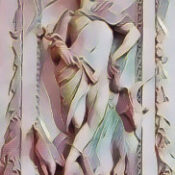

Mercurius
Mercury, also known as Mercurius, is a well-known figure in Roman mythology and religion. He is best recognized as the messenger god of the Romans, famous for his speed and energy. People worshipped Mercury from about 400 BC to AD 400, showing how important he was throughout Roman history. Mercury is sometimes called Psychopompus, which means “guide of souls,” and Oneicopompus, or “leader of dream...
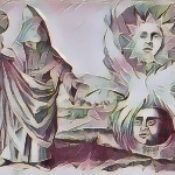

Hermes Trismegistus
Hermes Trismegistus, often called “the thrice greatest Hermes,” is a legendary figure who combines qualities of two ancient gods: the Egyptian Thoth and the Greek Hermes. Thoth, in Egyptian mythology, was known as the god of wisdom, magic, writing, and learning. He was also linked to healing and keeping the universe in balance. Thoth was usually shown as a scribe, recording the actions of gods and...
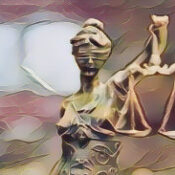

Deities The Laws
In many spiritual and philosophical beliefs, the idea of a Deity is often connected to the basic rules that shape the universe. These rules are seen as fair and universal, making sure that every action—good or bad—leads to a result. This is sometimes called the Law of Cause and Effect, or the Law of Karma. Here, the Deity is not a separate being, but a force that is present in everything, both vis...
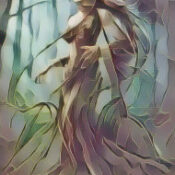

Deities Of The Environment
Across history, many cultures have honored deities connected to the earth, the environment, and the cycles of nature. These deities are often central to rituals that aim to honor, protect, and heal the planet, as well as to restore balance within individuals and communities. In this chapter, we will look at several important earth and environment deities, exploring their origins, their roles in my...

Deities Of The Male Principle
Beginning a journey into witchcraft can be both exciting and meaningful. Learning about deities connected to the male principle may help you find a sense of connection, purpose, and balance in your practice. These deities are more than just figures from myth; they are archetypes that represent important aspects of nature, human experience, and the cycles of life and death. They often symbolize the...

Deities Of Marriage
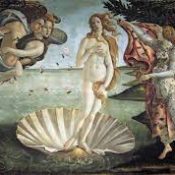
Deities connected to marriage, family, and the home have played important roles in spiritual practices throughout history. In witchcraft, these deities are often called upon to bless relationships, protect households, and encourage harmony within families. Their stories and qualities can provide guidance for those who wish to strengthen bonds and create happiness at home. Frigg is a significant fi...

Deity
In many Pagan and nature-based spiritual traditions, the idea of deity is not seen as a distant or separate being. Instead, the divine is often understood as a presence that exists within all things. According to these beliefs, nothing exists without the spirit of the divine within it. This means the divine is present in every person, animal, plant, insect, and even in objects—essentially, in ever...

Hecate
Hecate, sometimes spelled Hekate, is an important figure in Greek mythology. She is known as the goddess of the moon, magic, witchcraft, and crossroads. Her worship began in ancient Greece around 800 BC and continued through the Hellenistic period, lasting until about AD 400, when Christianity became more widespread. Hecate is the daughter of the Titans Perses and Asteria. Unlike many other deitie...
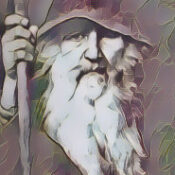

ODIN
Odin, often called the “Master of Ecstasy,” is a central figure in Norse mythology. He is the chief of the Aesir gods and is associated with war, wisdom, magic, poetry, and the dead. Odin’s influence is said to reach across the Nine Worlds, touching the realms of gods, humans, and spirits. His character is complex and sometimes contradictory, which makes him one of the most intriguing deities in N...
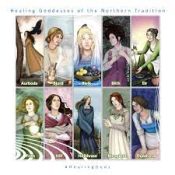

Deities Of Healing
Aesculapius Aesculapius was a healer, son of Apollo and the mortal Corona, who lived during the eleventh centuryBC, and became a god after Zeus killed him with a thunderbolt for raising the dead.The first shrine dedicated to Aesculapius was built in Athens in the fifth century BC by Sophocles.Other shrines followed in rapid succession, the most famous at Epidaurus, which became a majorhealing cent...
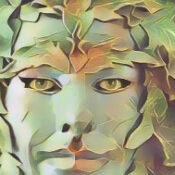

Green Man
The Green Man is a well-known figure in pagan mythology. He represents rebirth, renewal, and the lasting spirit of nature. Most often, he is shown as a horned man whose face appears from a mask of leaves—usually oak, but sometimes ivy, hawthorn, or other plants. This image is found in many cultures across Europe, from ancient Roman and Celtic traditions to medieval Christian architecture. The Gree...