
Author: A Solitary Pagan
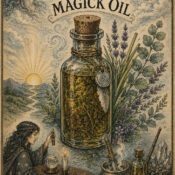

Air Magick Oil: Its Importance in Paganism and Witchcraft
Air Magick Oil is a sacred blend of essential oils and herbs associated with the element of Air, one of the four classical elements revered in many pagan and witchcraft traditions. Representing intellect, communication, wisdom, inspiration, and spiritual awareness, the element of Air plays a significant role in magical practices. Air Magick Oil is often crafted with fragrant ingredients such as la...


The Cailleach: Ancient Crone Goddess of Paganism and Witchcraft
The Cailleach is one of the most powerful and enduring figures in Celtic mythology, revered as a divine hag, crone goddess, and creator spirit. Her name, derived from the Gaelic word meaning “veiled one” or “old woman,” is associated with the rugged landscapes, harsh winters, and ancient wisdom of Scotland, Ireland, and the Isle of Man. For modern Pagans and witches, the Cailleach remains an impor...
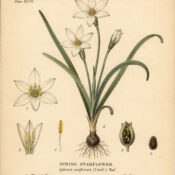

Spring Starflower: A Symbol of Renewal in Paganism and Witchcraft
The Spring Starflower, often admired for its delicate star-shaped blossoms and early spring appearance, has long been associated with themes of renewal, hope, and spiritual awakening. Emerging as winter fades, this charming flower has earned a respected place in many pagan traditions and modern witchcraft practices, where it is valued for both its beauty and symbolic power. In pagan belief systems...
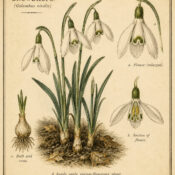

Snowdrops: Sacred Messengers of Hope in Paganism and Witchcraft
The snowdrop (Galanthus nivalis) is one of the earliest flowers to emerge at the end of winter, often pushing through frozen ground and snow to announce the arrival of spring. Its delicate white blooms have long captured the imagination of people across Europe, where it has become a powerful symbol of hope, renewal, and spiritual awakening. In both pagan traditions and modern witchcraft, the snowd...
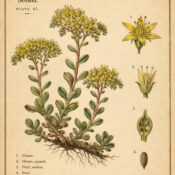

Sedum: The Sacred Stonecrop in Paganism and Witchcraft
Sedum, commonly known as stonecrop, is a hardy succulent plant valued for its resilience, beauty, and long history of spiritual symbolism. Found growing on rocky ground, rooftops, and dry landscapes, sedum has been admired for centuries not only as a medicinal and ornamental plant but also for its significance in pagan traditions and magical practices. In many ancient European pagan cultures, sedu...
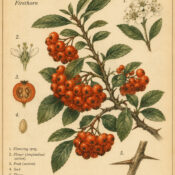

Pyracantha: The Fiery Guardian of Pagan and Witchcraft Traditions
Pyracantha, commonly known as Firethorn, is a striking evergreen shrub recognized for its dense thorny branches and clusters of vibrant red, orange, or yellow berries. Beyond its ornamental appeal, Pyracantha holds a special place in various pagan and witchcraft traditions, where it is valued for its protective and magical properties. The plant’s most distinctive feature is its formidable th...
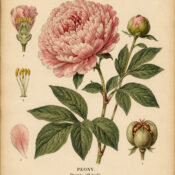

Peony: A Sacred Flower in Paganism and Witchcraft
The peony is a beautiful flowering plant admired for its large, fragrant blooms and rich symbolism. Found in shades of pink, red, white, yellow, and purple, peonies have been cultivated for thousands of years and are often associated with prosperity, healing, protection, and spiritual growth. Beyond their ornamental beauty, peonies hold a special place in pagan traditions and modern witchcraft pra...
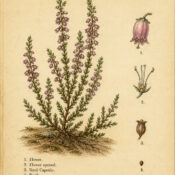

Heather: A Sacred Plant in Paganism and Witchcraft
Heather (Calluna vulgaris) is a hardy flowering plant that carpets moorlands and hillsides with shades of purple, pink, and white. Native to many parts of Europe, particularly Scotland, Ireland, and northern England, heather has long been admired for its beauty, resilience, and deep spiritual symbolism. Throughout history, it has held an important place in pagan traditions and modern witchcraft, w...
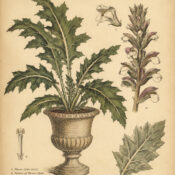

Grecian Plant: Its Importance in Paganism and Witchcraft
The Grecian plant, often associated with herbs and flowers native to ancient Greece, holds a special place in pagan traditions and the practice of witchcraft. Among the plants commonly linked to Grecian spirituality are laurel, olive, thyme, and rosemary, all of which were revered for their magical, medicinal, and symbolic properties. These plants were deeply woven into the religious and cultural ...
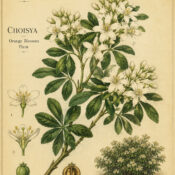

Choisya: The Mexican Orange Blossom in Paganism and Witchcraft
Choisya, commonly known as Mexican Orange Blossom, is an evergreen shrub admired for its glossy green leaves and clusters of fragrant white flowers. Native to Mexico and parts of the southwestern United States, Choisya has become a popular ornamental plant in gardens around the world. Beyond its beauty and pleasant citrus-like scent, this plant has found a place within modern Pagan and witchcraft ...
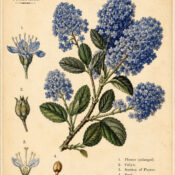

Ceanothus: The Sacred Blue Blossom in Paganism and Witchcraft
Ceanothus, commonly known as California lilac or wild lilac, is a beautiful flowering shrub prized for its clusters of delicate blue, purple, or white blossoms. Native primarily to North America, this hardy plant has long been admired for its beauty, resilience, and ecological importance. Beyond its value in the natural world, Ceanothus has also found a place within modern pagan and witchcraft tra...
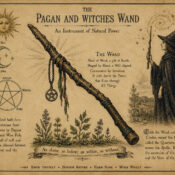

The Wand: A Powerful Symbol in Paganism and Witchcraft
Among the many tools used in pagan and witchcraft traditions, the wand holds a special place as a symbol of power, intention, and spiritual connection. Often associated with magic in popular culture, the wand has deep historical and spiritual significance that extends far beyond fictional portrayals. In paganism and witchcraft, a wand is typically a slender piece of wood, although it may also be c...