We would like to disclose that this website may contain affiliate links. This means that if you click on a product link and make a purchase, we may earn a commission. As an Amazon & eBay Partner Network Associate, we earn from qualifying purchases.
Across many pagan traditions, amulets have long been used as objects of protection, spiritual focus, and magical intention. Often worn around the neck, carried in pockets, or placed within homes, these charms were believed to connect the wearer with divine forces, nature spirits, ancestors, or cosmic energies. Pagan witches, particularly in European folk traditions, viewed amulets not merely as decorations but as sacred tools infused with symbolic power. Their meanings varied across cultures, yet they commonly served purposes such as protection from evil, attracting luck, enhancing wisdom, encouraging fertility, or strengthening spiritual awareness.
One of the most recognizable pagan amulets is the pentacle. Frequently associated with modern witchcraft and Wicca, the pentacle consists of a five-pointed star enclosed within a circle. Each point traditionally represents one of the five elements: earth, air, fire, water, and spirit. The surrounding circle symbolizes unity and protection. Contrary to popular misconceptions, the pentacle is not inherently sinister; historically, it has been regarded as a protective emblem used to guard against harmful influences and maintain balance between the physical and spiritual worlds. Many witches wear silver or wooden pentacle pendants during rituals to strengthen concentration and spiritual connection.
Another important amulet in pagan traditions is the Triple Moon symbol. This emblem depicts the waxing moon, full moon, and waning moon together, representing the three aspects of the Goddess: maiden, mother, and crone. These stages symbolize youth, maturity, and wisdom, as well as the eternal cycles of nature. Witches often wear the Triple Moon as a reminder of intuition, feminine energy, and the changing rhythms of life. Since lunar cycles were central to many pagan ceremonies, moon-shaped amulets were believed to enhance psychic awareness and magical ability.
The Thor’s Hammer, or Mjölnir, originates from Norse paganism and remains a powerful symbol among modern practitioners of Heathenry and Ásatrú. Associated with the god Thor, this hammer represented strength, protection, and courage. Vikings frequently wore small hammer pendants for spiritual defense and blessings. In pagan magical practice, Mjölnir was believed to ward off chaos and hostile spirits while invoking divine protection during journeys or battles. Today, many people still wear Thor’s Hammer as both a religious symbol and a connection to ancient Norse traditions.
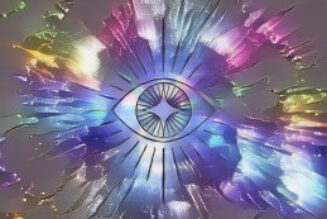
The Eye of Horus, although originating in ancient Egyptian spirituality, also became influential within broader pagan and occult practices. This symbol represented healing, protection, and divine wisdom. Ancient Egyptians believed the Eye of Horus could shield the wearer from illness and negative energies. Pagan witches later adopted it as a magical emblem associated with intuition and spiritual sight. Amulets bearing the Eye of Horus were often carved into stone, painted onto talismans, or worn as jewelry to encourage clarity and protection.
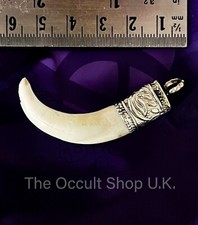
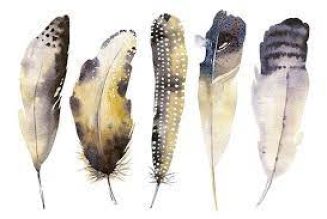
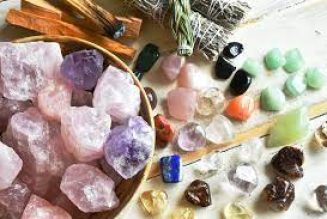
Natural objects also played an essential role in pagan witchcraft. Crystals, herbs, animal bones, feathers, and carved stones were commonly transformed into personal amulets. For example, quartz crystals were believed to amplify magical energy, while amethyst promoted calmness and spiritual awareness. Rowan wood, sacred in Celtic folklore, was often fashioned into protective charms because it was thought to repel harmful magic. Similarly, acorns symbolized strength and growth, making them popular protective tokens carried by travelers or expectant mothers.
Runic amulets were another important feature of pagan magical traditions. In Germanic and Norse cultures, runes were more than an alphabet; they were sacred symbols carrying mystical power. Specific runes could be carved onto wood, bone, or metal to create protective or empowering amulets. The Algiz rune, resembling an upward-reaching branch, symbolized defense and spiritual protection. The Fehu rune represented prosperity and wealth, while Ansuz was linked to wisdom and divine communication. Witches and shamans often inscribed runes onto amulets during rituals to direct magical intention toward a desired goal.
In many pagan traditions, the power of an amulet depended not only on the object itself but also on the ritual used to consecrate it. Witches commonly cleansed amulets with incense smoke, moonlight, saltwater, or sacred chants before charging them with intention. This process was believed to awaken the spiritual energy within the object and connect it to the wearer’s purpose. Some practitioners created personalized amulets during seasonal festivals such as Samhain or Beltane, believing these sacred times amplified magical energy.
Today, pagan amulets continue to hold meaning for many modern spiritual practitioners. Some people wear them for religious devotion, while others value them as symbols of empowerment, mindfulness, or cultural heritage. Whether crafted from silver, wood, stone, or bone, these amulets reflect humanity’s enduring desire for protection, guidance, and connection to unseen forces. Through centuries of change, pagan witches’ amulets have remained deeply symbolic objects that unite spirituality, nature, and personal belief into tangible forms of magic and identity.