We would like to disclose that this website may contain affiliate links. This means that if you click on a product link and make a purchase, we may earn a commission. As an Amazon & eBay Partner Network Associate, we earn from qualifying purchases.
Pagan altar cloths have long held a meaningful place within Witchcraft and other Pagan spiritual traditions. More than simple decorative fabrics, these cloths serve as sacred foundations for rituals, meditation, spellwork, and personal devotion. They help define spiritual space, protect ritual tools, and symbolize the practitioner’s connection to nature, the elements, and ancient traditions. Across many branches of modern Paganism, altar cloths continue to play both a practical and symbolic role in daily spiritual life.
The origins of altar cloths can be traced back thousands of years to ancient religious and ceremonial practices. In many early cultures, sacred spaces were marked by fabrics, woven mats, or embroidered coverings placed upon altars and shrines. Ancient Egyptians used linen cloths in temple rituals, while Greek and Roman households often maintained household altars covered with cloth during offerings to the gods. In Celtic and Norse traditions, natural fabrics and symbolic embroidery were commonly associated with spiritual ceremonies and seasonal festivals. Over time, these customs evolved into the altar cloth traditions seen in modern Witchcraft today.
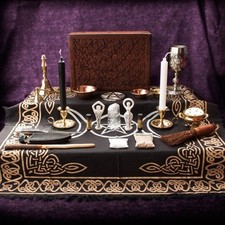
Within Paganism and Witchcraft, an altar represents a personal sacred space where spiritual work is performed. The altar cloth acts as the spiritual and energetic foundation of this area. Many practitioners believe the cloth helps contain, direct, and protect the energy raised during rituals and spellwork. It also creates a clear separation between the ordinary world and sacred practice. By laying down a cloth before beginning a ritual, the practitioner symbolically prepares the mind and spirit for focused magical or spiritual work.
Altar cloths are often chosen based on color, symbolism, or seasonal meaning. Different colors are believed to correspond with particular energies or intentions. For example, green may represent growth, prosperity, and nature; purple may symbolize intuition and spiritual wisdom; black is often linked to protection and transformation; and white commonly represents purity and peace. Some practitioners rotate altar cloths according to the seasons or Pagan festivals, such as Samhain, Beltane, or Yule, helping them stay connected to the changing cycles of nature and the Wheel of the Year.
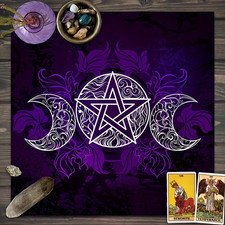
Symbols embroidered or printed on altar cloths also hold significance. Pentacles, moons, stars, runes, triple moon symbols, and elemental signs are commonly used in Witchcraft. These symbols can strengthen spiritual focus and act as reminders of personal beliefs and magical goals. Handmade altar cloths are especially valued because they carry the energy and intention of the creator. Many witches choose natural fabrics such as cotton, linen, or silk because they feel these materials are more spiritually connected to the Earth.
Beyond ritual use, Pagan altar cloths can positively influence daily life by creating a sense of peace, mindfulness, and spiritual grounding. In a busy and stressful world, maintaining a small sacred space at home encourages moments of reflection and calm. Even a simple altar with a meaningful cloth can serve as a reminder to slow down, meditate, or reconnect with personal values and intentions. This daily interaction with sacred objects can strengthen emotional well-being and promote a deeper sense of balance.
Altar cloths can also support manifestation and goal-setting practices. By choosing symbols and colors that align with specific intentions, practitioners create visual reminders of what they hope to attract into their lives. Someone seeking confidence may use gold or orange fabrics, while a person focusing on healing may prefer blue or green tones. The repeated act of sitting before the altar each day can reinforce positive habits, self-discipline, and spiritual awareness.
In many ways, Pagan altar cloths represent the blending of spirituality, creativity, and personal expression. They are deeply individual items that reflect the beliefs, traditions, and intentions of the practitioner. Whether used in elaborate rituals or quiet daily meditation, altar cloths continue to hold an important place in modern Witchcraft by helping individuals create sacred space, connect with ancient traditions, and bring mindfulness and spiritual focus into everyday life.