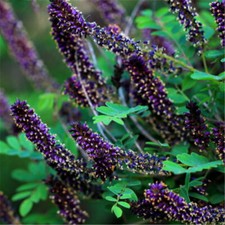
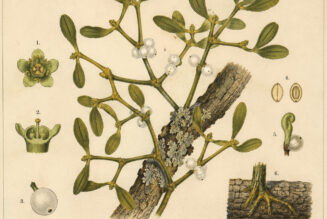
False Indigo is a hardy flowering plant known for its beautiful spikes of blue, purple, or white blossoms and its ability to thrive in poor soil. Several species belong to the genus Baptisia, which is native to North America. Although it resembles true indigo, False Indigo does not produce the same rich dye in large quantities. Instead, it has earned admiration for its resilience, deep roots, and striking appearance, making it a meaningful plant in both nature and spiritual traditions.
In paganism, False Indigo is often associated with endurance, personal growth, and the power to overcome challenges. Because the plant returns year after year and develops an extensive root system, it symbolizes stability, strong foundations, and lasting spiritual strength. Many modern pagans view it as a reminder that true growth begins beneath the surface, where unseen roots support future success.
Within witchcraft, False Indigo is commonly linked to protection, transformation, and inner wisdom. While it has fewer historical magical references than herbs such as rosemary or mugwort, many contemporary practitioners value it for its symbolic qualities. Its blue and violet flowers are connected with intuition, spiritual awareness, and calm communication, making the plant suitable for rituals involving meditation, self-discovery, or developing psychic abilities.
False Indigo may be placed on an altar to represent perseverance during difficult times or used in seasonal celebrations that honor renewal and the changing cycles of nature. Some witches include dried flowers or leaves in protective sachets, charm bags, or spell jars intended to encourage courage and emotional resilience. Others grow the plant near their homes as a living symbol of protection, grounding, and harmony with the natural world.
As with many magical plants, the greatest power of False Indigo lies in the meaning given to it by the practitioner. Rather than relying on superstition alone, modern pagan and witchcraft traditions often emphasize intention, respect for nature, and personal connection. False Indigo serves as a reminder that patience, resilience, and steady growth can be powerful forms of magic, encouraging practitioners to remain rooted while embracing transformation and spiritual development throughout life’s changing seasons.