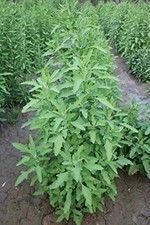
Fat Hen (Chenopodium album), sometimes called lamb’s quarters or white goosefoot, is a common wild plant that has grown across Europe, Asia, and North America for thousands of years. Although many people think of it as an ordinary weed, Fat Hen has a long history as both a nutritious food and a plant with symbolic importance in pagan beliefs and traditional folk magic.
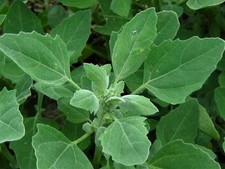
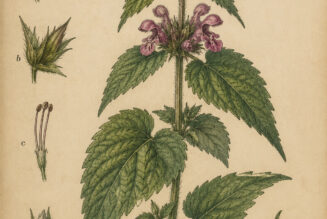
The plant is easy to recognize by its triangular, slightly dusty-looking leaves and clusters of tiny green flowers. It thrives in fields, gardens, and disturbed ground, often appearing where the soil has recently been turned. Rich in vitamins A and C, calcium, iron, and protein, Fat Hen has been gathered as a wild vegetable since prehistoric times. Its young leaves can be cooked much like spinach, making it an important survival food during times of scarcity.
In many pagan traditions, plants that grow freely without cultivation are seen as gifts from nature. Fat Hen represents abundance, resilience, and the generosity of the Earth. Because it grows quickly and produces thousands of seeds, it has become associated with fertility, prosperity, and life’s ability to flourish even in difficult conditions. Some modern pagans include Fat Hen in seasonal celebrations that honour the harvest or the changing of the seasons, recognising its role as a reminder that nature often provides unexpected blessings.
Within modern witchcraft and folk magic, Fat Hen is not among the most famous magical herbs, but it still has symbolic uses. Practitioners may add the dried leaves or seeds to herbal sachets, offerings, or altar displays to represent growth, nourishment, and protection. Some believe carrying the herb can encourage resilience during challenging times or attract opportunities for personal growth. These uses are based largely on folklore, symbolism, and modern magical practice rather than historical evidence or scientific study.
For those who follow nature-based spiritual paths, Fat Hen is valued less for dramatic magical powers and more for what it teaches. Its ability to thrive almost anywhere reminds practitioners that strength often comes through adaptability and perseverance. Whether appreciated as a nourishing wild food, a symbol of abundance, or a modest magical herb, Fat Hen continues to hold a quiet but meaningful place in paganism and contemporary witchcraft, reflecting humanity’s enduring connection with the natural world.