The Fairy Lantern is a delicate woodland flower best known for its hanging, lantern-shaped blossoms that seem to glow beneath the shade of forests. The name most commonly refers to Calochortus albus, a wildflower native to parts of western North America. Its graceful white or pale cream flowers and gentle fragrance have inspired stories of fairies, hidden woodland spirits, and enchanted places.
Although the Fairy Lantern has no well-documented role in ancient pagan religions or historical witchcraft traditions, it has become a meaningful plant in many modern Pagan and contemporary witchcraft practices. Its appearance naturally evokes mystery, protection, and the unseen world, making it a popular symbolic flower rather than a traditional ritual herb.
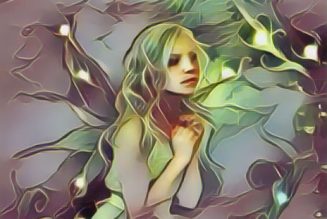
In modern Paganism, the Fairy Lantern is often associated with nature spirits, especially fairies and other beings believed to dwell in forests and wild places. Many practitioners view the flower as a reminder to respect the natural world and to approach magical work with humility and kindness. It is sometimes placed on seasonal altars during spring or early summer to celebrate renewal, growth, and the beauty of the natural landscape.
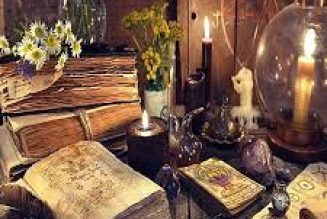
Within contemporary witchcraft, the Fairy Lantern is commonly linked to intuition, enchantment, dreams, and spiritual guidance. Some witches use images of the flower, rather than harvesting it, during meditation or visualization practices focused on connecting with nature or seeking inspiration. Because wild Fairy Lanterns can be uncommon in some areas, many practitioners prefer to admire them in their natural habitat or grow cultivated varieties instead of collecting them from the wild.
The flower’s lantern-like shape also symbolizes illumination in darkness. This symbolism makes it a meaningful addition to rituals centered on hope, finding hidden truths, or navigating periods of personal change. It may also represent the idea that even small sources of light can guide a person through uncertainty.
Today, the Fairy Lantern is valued more for its symbolism than for any historical magical use. Its delicate beauty, connection to woodland folklore, and association with wonder have made it a cherished emblem of nature’s quiet magic, encouraging mindfulness, reverence for the earth, and an appreciation of the mysteries that continue to inspire modern Pagan and witchcraft traditions.